When Cleanroom Technology Meets Food Safety Imperatives
The global food industry faces unprecedented challenges: 25% of the world’s food production is affected by mycotoxins annually, while foodborne illnesses cost economies an estimated $110 billion per year in medical expenses and lost productivity. In this landscape, cleanroom technology has migrated from pharmaceuticals to become essential in modern food processing. From infant formula requiring ISO 6 environments to ready-to-eat meals processed in ISO 7 cleanrooms, the boundary between food safety and pharmaceutical-grade cleanliness is blurring. ZHUOZHU, having supplied hygienic wall systems to 40+ food facilities across Europe, Asia, and North America—including plants certified to FSSC 22000, BRCGS, and SQF—understands that food cleanrooms demand unique solutions balancing hygiene, cleanability, and production efficiency.
Part 1: The Evolving Regulatory Framework for Food Cleanrooms
1.1 Global Food Safety Standards Integration
Food cleanrooms operate at the intersection of multiple regulatory frameworks:
1.2 The HACCP-Hygienic Design Connection
Modern food cleanrooms integrate Hazard Analysis Critical Control Point (HACCP) principles directly into facility design:
Critical Control Points in Cleanroom Design:
Food Processing CCPs Linked to Wall Systems:
├── Biological Hazards
│   ├── Pathogen harborage in cracks/joints
│   ├── Biofilm formation on porous surfaces
│   └── Mold growth in high-moisture areas
├── Chemical Hazards
│   ├── Migration of panel components into food
│   ├── Reaction with cleaning chemicals
│   └── Off-gassing affecting product flavor
└── Physical Hazards
    ├── Particle shedding into product zone
    ├── Glass-like fragments from damaged surfaces
    └── Metal detection contamination risks
ZHUOZHU’s HACCP-Based Design: Our panels are engineered to eliminate or control these hazards through seamless construction, food-contact compliant materials, and validated cleanability.
1.3 Regional Variations & Emerging Requirements
EU Regulation (EC) No 852/2004: Emphasizes “cleanability to an appropriate standard”
China GB 14881-2013: Hygienic specifications for food production facilities
USDA & FDA Dual Regulation: Particularly stringent for meat, poultry, and dairy
Halal & Kosher Certification: Additional material composition requirements
Part 2: Specialized Requirements for Food & Beverage Applications
2.1 Material Safety & Food Contact Compliance
Unlike pharmaceutical cleanrooms, food facilities often involve incidental or direct food contact with surfaces.
Food Contact Material Requirements:
FDA 21 CFR Compliance: Sections 175-178 for indirect food additives
EU Regulation 10/2011: Plastic materials and articles intended for food contact
Non-toxic Certification: Heavy metal restriction compliance (Pb, Cd, Hg, Cr⁶⁺)
Taste & Odor Neutral: No transfer of odors or flavors to products
ZHUOZHU FoodSafe™ Certification: Our panels are independently tested and certified for:
Overall migration limits <10 mg/dm² (EU 10/2011)
Specific migration of plastics components below detection limits
Sensory evaluation confirming no taste or odor transfer
2.2 Hygienic Design Principles in Practice
Seven Principles of Hygienic Design Applied to Cleanroom Panels:
Cleanable to a Microbiological Level
Surface Roughness: Ra < 0.8 μm (proven to prevent bacterial adhesion)
Coved Corners: 25-38mm radius at all junctions
Self-Draining Design: Minimum 3° slope on horizontal surfaces
Made of Compatible Materials
Chemical Resistance Matrix: Tested against 150+ food processing chemicals
Temperature Stability: -40°C to +120°C operational range
Impact Resistance: Withstand 50J impact (forklift collision level)
Accessible for Inspection & Maintenance
Modular Design: Individual panel replacement without system compromise
Service Chases: Integrated access to utilities without breaching clean envelope
View Panels: FDA-compliant glass for process observation
No Product or Liquid Collection
Vertical Orientation: All surfaces within 15° of vertical
Sealed Penetrations: ULTRASEAL™ gasket system for pipes/conduits
Positive Drainage: Integrated gutters in ceiling systems
Hollow Areas Hermetically Sealed
Foam-Filled Edges: Prevents insect/rodent harborage
Continuous Welds: At all critical joints in high-risk areas
Cavity-Free Construction: Solid panel cores or filled cavities
No Niches, Open Joints, or Gaps
Tongue-and-Groove Plus™: Dual-seal joint system with <0.5mm gap
Laser-Cut Components: ±0.2mm tolerance for perfect fit
In-Line Production: Complete wall sections fabricated off-site
Operational Performance
Clean-in-Place (CIP) Compatibility: Withstand high-pressure, high-temperature washdown
Thermal Performance: U-value as low as 0.22 W/m²K for energy efficiency
Acoustic Control: Noise reduction to <55 dB in processing areas
2.3 Microbial Control for Different Food Categories
Risk-Based Panel Specification Matrix:
Part 3: Application-Specific Solutions Across the Food Industry
3.1 High-Care vs. High-Risk Areas: Differentiated Design
Understanding the Zoning Approach:
Modern Food Plant Zoning Strategy:
├── Primary Production Area (ISO 8+)
│   ├── Raw material handling
│   └── Basic preparation
├── High-Care Area (ISO 7)
│   ├── Product exposed after decontamination
│   └── Requires personnel gowning
└── High-Risk Area (ISO 6-5)
    ├── Product exposed before final packaging
    ├── Positive pressure maintenance
    └── Enhanced personnel controls
ZHUOZHU’s Zonal Solutions:
Barrier Systems: Air-tight walls maintaining 15-30 Pa pressure differentials
Material Transitions: Different surface finishes for different zones
Traffic Control: Integrated pass-through systems and airlocks
3.2 Processing Environment Challenges & Solutions
Dairy Processing Case Study:
Challenge: Whey protein adhesion, fat accumulation, acidic/alkaline cleaning cycles
Solution: ZHUOZHU DairyShield™ panels with:
Hydrophobic surface (contact angle >110°) preventing protein adhesion
Automated Clean-in-Place (CIP) compatibility with 8-hour daily washdown
Thermal shock resistance from 4°C process to 85°C cleaning
Beverage Facility Case Study:
Challenge: Sugar syrup spills, carbonation system humidity, colorant staining
Solution: ZHUOZHU BevGuard™ system featuring:
Sacrificial coating layer that renews with each cleaning cycle
Humidity-buffering core maintaining <60% RH in carbonation areas
UV-stable pigments preventing color fading from production lighting
3.3 Emerging Trends: Plant-Based & Functional Foods
The $75 billion plant-based food market and functional food sector present new challenges:
Novel Requirements:
Allergen Control: Complete segregation for top-8 allergen processing
Enzyme Activity: Panel materials that don’t interfere with fermentation processes
Nutraceutical Preservation: UV-blocking properties for light-sensitive compounds
Vegan Certification: No animal-derived components in construction materials
Part 4: ZHUOZHU’s Food & Beverage Cleanroom System
4.1 The Complete Food-Grade Wall System
Our systems are designed as complete solutions, not just panels:
ZHUOZHU FoodGrade Wall System Components:
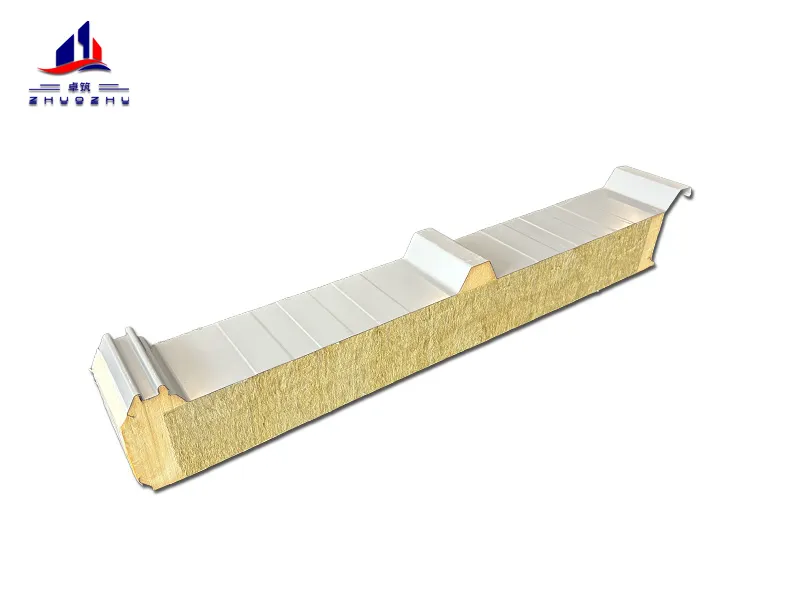
├── Core Panel Structure
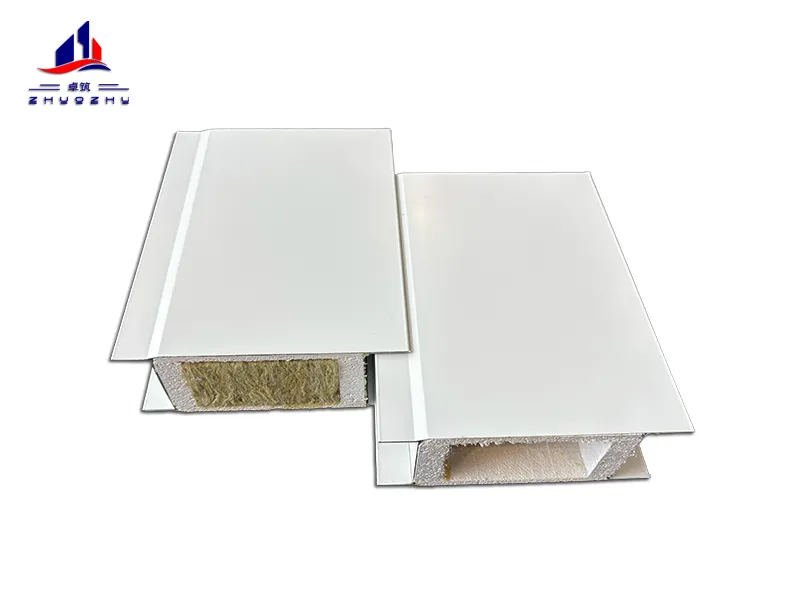
│   ├── FRP (Fiberglass Reinforced Plastic) facing - Non-porous, impact resistant
│   ├── MgO core - Mold-resistant, inorganic, zero VOC
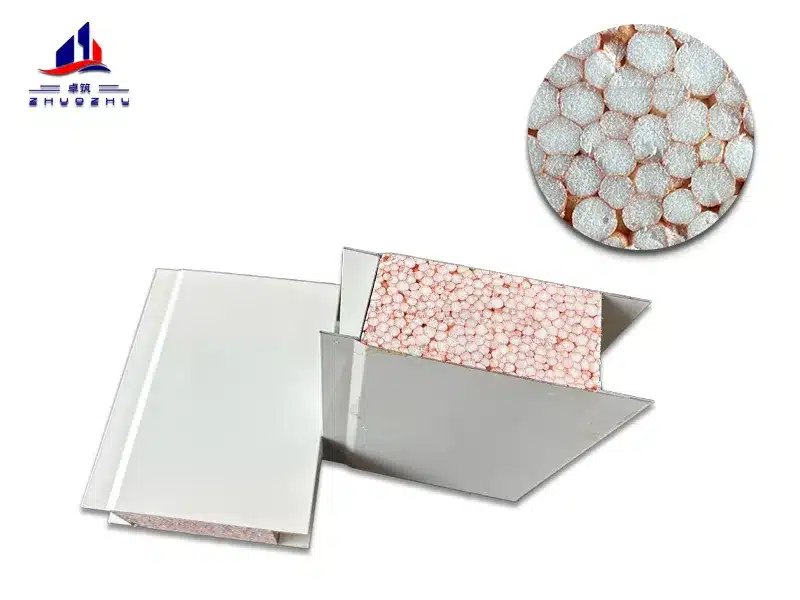
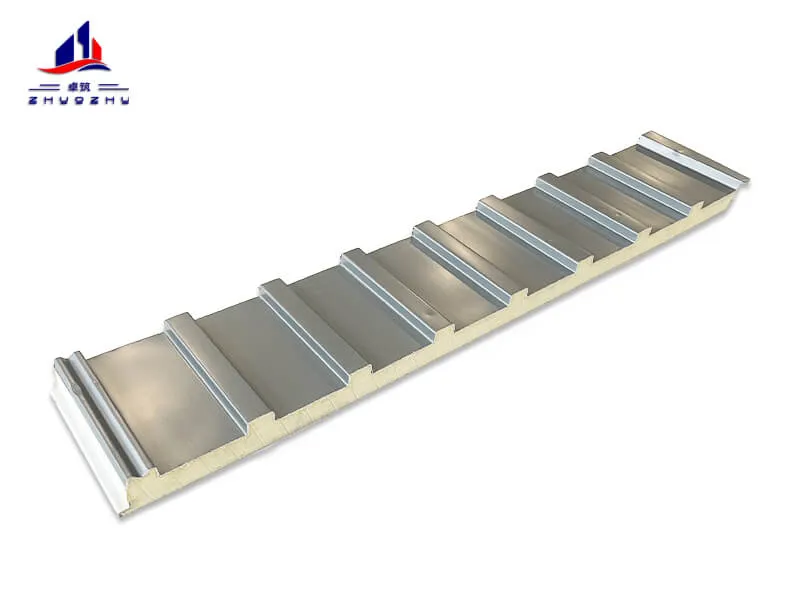
│   └── Integrated thermal insulation - PIR foam for cold rooms, EPS for ambient
├── Hygienic Integration Features
│   ├── Cove base system - 50-100mm radius, integral with floor
│   ├── Ceiling coves - 30-50mm radius, integrated with lighting
│   ├── Hygienic doors - Stainless steel, radiused corners, cleanroom seals
│   └── Utility penetrations - FDA-approved seals for pipes/electrical
├── Surface Technology
│   ├── FoodSafe™ coating - FDA 21 CFR compliant, anti-microbial
│   ├── Gloss level control - 40-60 GU for optimal cleanability
│   └── Color coding - Zone differentiation, contamination visibility
└── Validation Package
    ├── Cleanability validation per EN 13697:2015+A1:2019
    ├── Material compliance certificates
    ├── Installation qualification protocol
    └── Operational maintenance manual
4.2 Installation Methodologies for Operational Continuity
Food plants cannot afford extended shutdowns. Our installation approaches minimize disruption:
Phased Installation Methodology:
Prefabrication: 85% of construction completed off-site
Rapid Deployment: 200-300 m² installed per day by specialized teams
Sequential Commissioning: Area-by-area handover while production continues
Post-Installation Support: 36-month performance guarantee with audit support
Case Example: European Baby Food Plant Retrofit
Constraint: 3-day maximum shutdown for high-risk area upgrade
Solution: Pre-fabricated wall-ceiling modules installed over weekend
Result: ISO 7 to ISO 5 upgrade completed in 62 hours, zero production loss
4.3 Digital Integration for Smart Food Facilities
Modern food cleanrooms are increasingly connected:
Industry 4.0 Integration Features:
IoT Sensors: Embedded temperature, humidity, and surface cleanliness monitoring
Digital Twin: Virtual replica for cleaning procedure simulation and optimization
Blockchain Traceability: Material origin and installation data for audit trails
AR Maintenance Guides: Overlay instructions for cleaning and inspection
Part 5: Economic Justification & ROI Analysis
5.1 Total Cost of Hygiene Ownership
Analysis for 10,000 m² Food Processing Facility:
5.2 Value Beyond Cost: Brand Protection & Market Access
The true value of a properly designed food cleanroom extends beyond direct costs:
Intangible Benefits Quantification:
Brand Protection: 65% of consumers would abandon a brand after a food safety incident
Market Access: FSSC 22000 certification opens doors to 150+ global retailers
Insurance Premiums: 15-25% reduction for facilities with validated hygienic design
Employee Retention: 30% lower turnover in well-designed, clean facilities
Part 6: Future Trends in Food Cleanroom Technology
6.1 Sustainability Meets Hygiene
The $300 billion sustainable food market demands green solutions:
Recycled Content: Panels with 30-40% post-industrial recycled material
End-of-Life Recovery: Designed for disassembly and material separation
Energy Integration: Photovoltaic coatings on exterior surfaces
Water Reduction: Hydrophobic surfaces reducing cleaning water usage by 40%
6.2 Advanced Contamination Control
Photocatalytic Surfaces: TiO₂ coatings that break down organic contaminants under light
Enzymatic Cleaning Compatibility: Surfaces optimized for new enzymatic cleaners
Real-time Pathogen Detection: Biosensor-integrated walls for continuous monitoring
Predictive Analytics: AI-driven cleaning schedules based on actual contamination risk
6.3 ZHUOZHU’s 2025 Roadmap
Bio-based Panels: 70% renewable material content targets
Active Surface Technology: Surfaces that actively repel microbial adhesion
Digital Hygiene Passport: Each panel with embedded NFC for lifecycle tracking
Global Food Safety Database Integration: Real-time compliance with changing global standards
Conclusion: Building Food Safety into the Walls
In an industry where 1 in 10 people worldwide fall ill from contaminated food each year (WHO), and where recalls can destroy brands overnight, cleanroom technology is no longer optional for premium food production. The walls of a food processing facility are now recognized as active contributors to—or defenders against—food safety risks.
ZHUOZHU FoodGrade Cleanroom Systems represent more than construction materials; they are validated food safety interventions designed to:
Prevent contamination through hygienic design principles
Enable verification through cleanability validation
Ensure compliance with evolving global standards
Drive efficiency through reduced cleaning and maintenance
Protect brands by mitigating food safety risks
From infant formula in Europe to plant-based proteins in North America, from dairy in New Zealand to snacks in Asia, our systems are protecting food safety and brand reputations worldwide.
About ZHUOZHU Food & Beverage Solutions
With over 2 million square meters of food-grade cleanroom panels installed across 35 countries, ZHUOZHU is the preferred partner for food processors seeking to balance hygiene, compliance, and operational efficiency. Our food industry specialists include former plant managers, food safety auditors, and hygienic design engineers who understand your operational realities.