The Evolution of Modern Roofing Technology
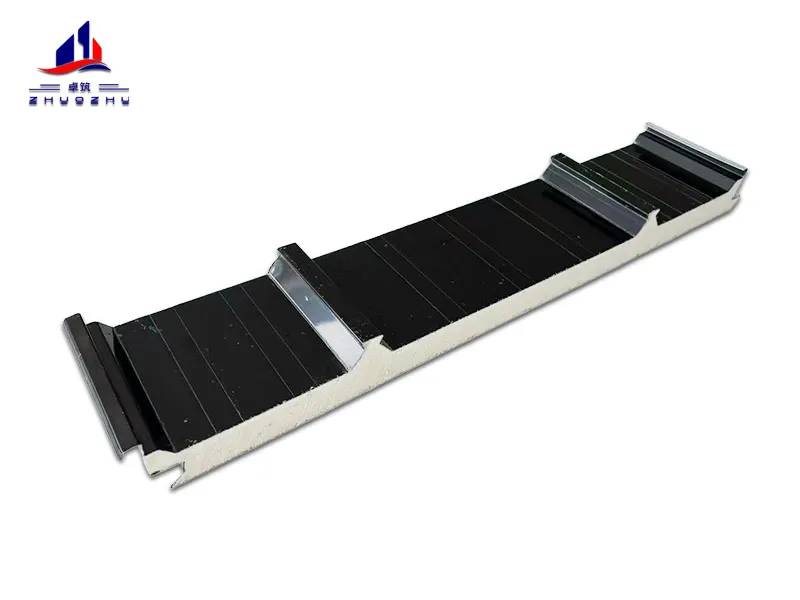
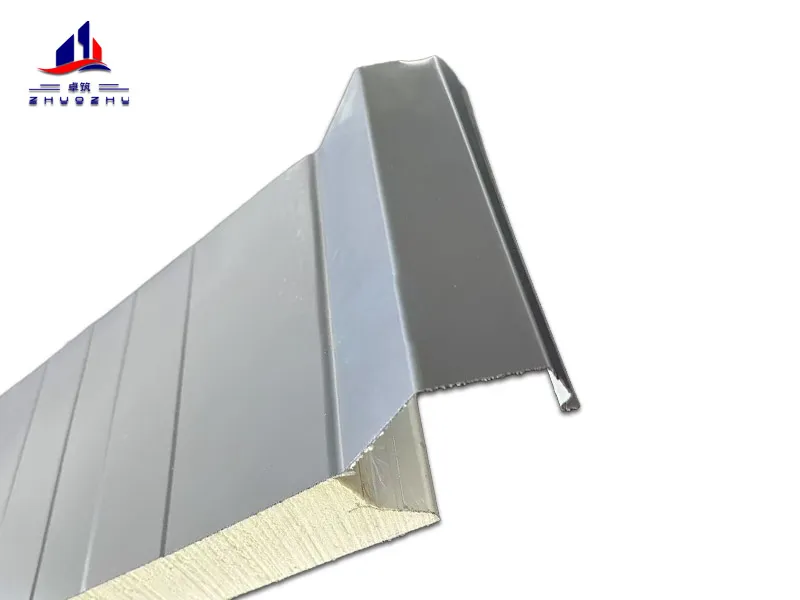
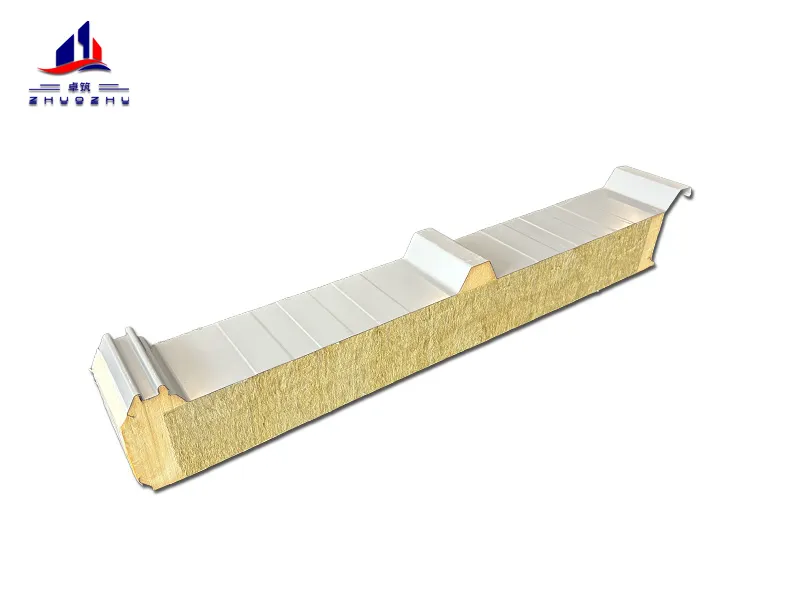
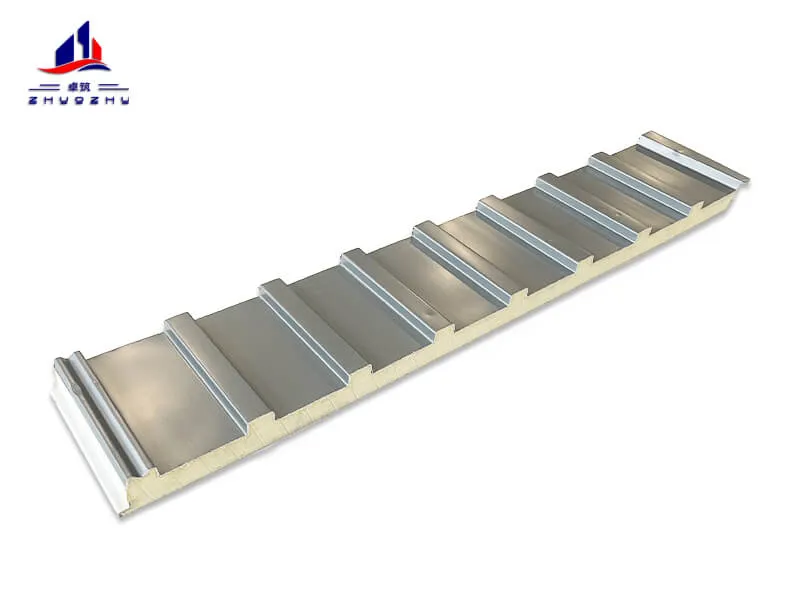
In today’s industrial and commercial construction landscape, roofing systems have evolved from simple weather barriers to sophisticated integrated building envelope solutions. Among the most significant advancements are PUF roofing sheets—engineered composite systems that combine structural integrity, exceptional thermal performance, and rapid installation in a single component. With the global industrial roofing market projected for steady growth and energy efficiency regulations becoming increasingly stringent, selecting the right roofing system directly impacts operational costs, building longevity, and environmental compliance. ZHUOZHU, with extensive experience supplying PUF sandwich panels for diverse roofing applications across climate zones, provides this comprehensive guide to understanding, specifying, and benefiting from advanced PIR roofing technology.
Part 1: The PIR Advantage in Roofing Applications
1.1 Unmatched Thermal Performance
The core differentiator of PIR roofing panels lies in their exceptional insulation properties:
Thermal Conductivity: 0.018 W/m·K—the industry benchmark for foam insulation materials. This represents a 22-30% improvement over traditional PUR foam (0.022-0.026 W/m·K) and a 50% improvement over mineral wool (≈0.036 W/m·K).
U-Value Optimization: For a standard 80mm PIR roof panel, the U-value is approximately 0.225 W/m²K. Increasing to 120mm thickness improves this to 0.15 W/m²K, offering substantial energy savings in both heating and cooling-dominated climates.
Thermal Bridging Mitigation: Advanced panel designs incorporate thermally broken connections and insulated fasteners that minimize heat transfer through the fixing system, maintaining continuous insulation across the entire roof plane.
1.2 Structural Performance for Industrial Demands
Industrial and commercial roofs must withstand diverse loads while providing long service life:
Load Capacity Characteristics:
Span Capabilities: PIR roof panels can span up to 6 meters between supports (depending on thickness and loading), reducing the need for intermediate purlins and creating cleaner interior spaces.
Load Resistance: Designed to withstand:
Snow loads: 1.0-3.5 kN/m² (depending on region and building codes)
Wind uplift: Certified to withstand negative pressures up to 3.0 kPa (≈300 kg/m²)
Maintenance loads: Typically 0.25-0.50 kN point loads for service access
Dimensional Stability: PIR’s closed-cell structure (>90% closed cells) provides excellent resistance to thermal expansion/contraction and moisture-induced movement.
1.3 Fire Performance and Safety Compliance
Roofing materials face stringent fire safety requirements, particularly in industrial settings:
Fire Classification: Typically Class B-s1,d0 according to EN 13501-1 (Limited combustibility, very limited smoke production, no flaming droplets).
System Integrity: When installed as complete systems with appropriate fixings and seals, PIR roofs can achieve up to 60 minutes of fire resistance for roof integrity.
Reaction to Fire: PIR’s chemical structure includes fire-retardant components that char rather than melt, providing additional protection in fire scenarios.
Part 2: Technical Specifications and Design Considerations
2.1 Panel Configuration and Dimensions
*This data is standard; some data can be customized.*
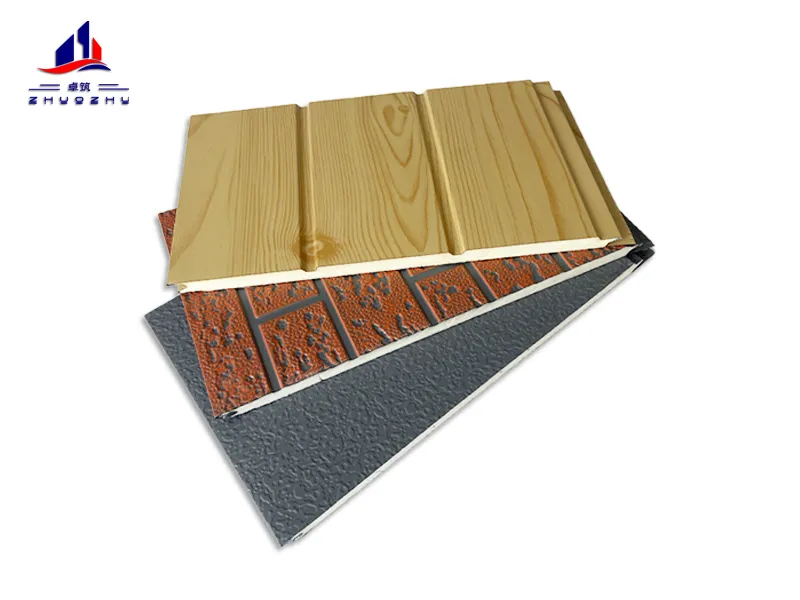
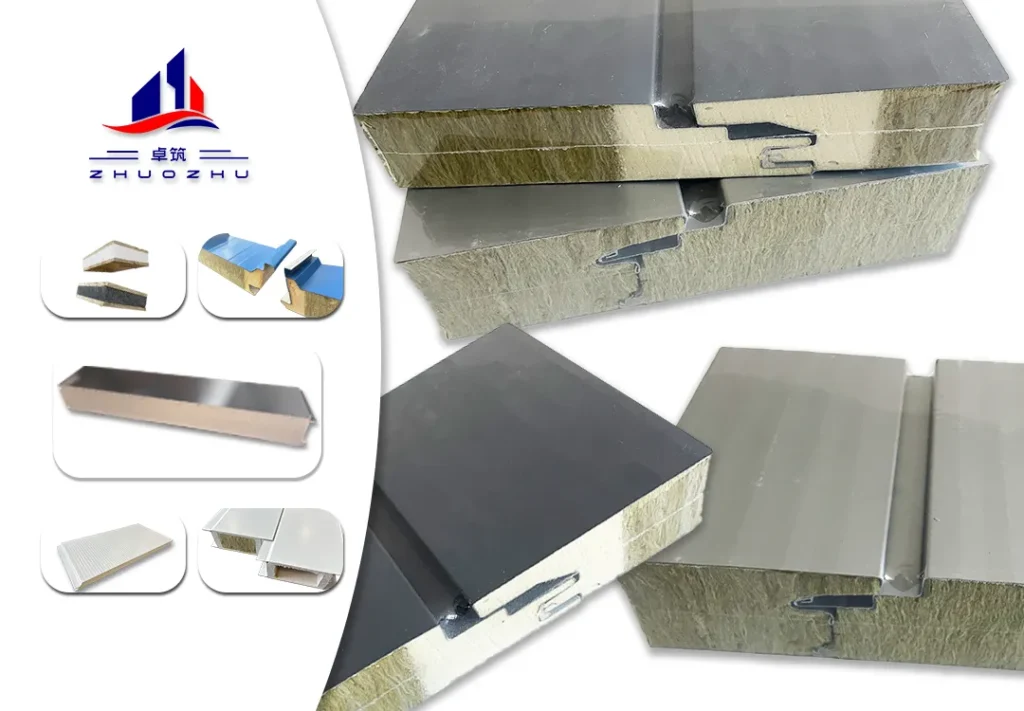
Core Material: Rigid polyisocyanurate foam with fiberglass or other reinforcement
Thickness Options: 50mm, 60mm, 80mm, 100mm, 120mm, 150mm, 200mm (custom available)
Effective Coverage Width: 1000mm standard (other widths available)
Panel Length: Custom manufactured up to 16 meters (limited by transport logistics)
Facing Materials:
Joint Systems: Standing seam, secret-fix, or through-fix depending on span and aesthetic requirements
2.2 Installation Systems and Methods
Primary Installation Approaches:
Standing Seam Systems:
Profile: High trapezoidal ribs (40-60mm height)
Advantages: Excellent water shedding, thermal movement accommodation, clean appearance
Applications: Large-span industrial buildings, architectural projects
Secret-Fix/Concealed Systems:
Mechanism: Clips concealed under panel seams
Advantages: Clean exterior appearance, reduced thermal bridging
Applications: Commercial buildings, retail facilities
Through-Fix Systems:
Method: Screws penetrate panel with sealing washers
Advantages: Cost-effective, suitable for shorter spans
Applications: Light industrial, agricultural buildings
2.3 Integration with Building Systems
Modern PIR roofing integrates seamlessly with other building components:
Daylighting Integration: Compatible with FRP panels (5-15% typical coverage) for natural lighting
Roof Penetrations: Pre-engineered solutions for skylights, vents, HVAC curbs, and piping
Edge Details: Comprehensive systems for eaves, verges, and parapets
Gutter Integration: Designed to work with various rainwater management systems
Part 3: Application-Specific Solutions
3.1 Industrial and Manufacturing Facilities
Challenges: Heat retention, condensation control, durability in harsh environments
PIR Roof Solution:
Thickness: 100-150mm for thermal efficiency
Finish: High-durability PVDF coating (25+ year warranty)
Features: Enhanced impact resistance for maintenance traffic
Case Example: Automotive plant in Germany achieving 35% HVAC energy reduction
3.2 Cold Storage and Refrigerated Warehouses
ZHUOZHU Cold Room & Refrigerated Warehouses >>
Challenges: Extreme temperature differentials, condensation prevention
PIR Roof Solution:
Thickness: 150-200mm for ultra-low U-values (<0.15 W/m²K)
Vapor Control: Integrated continuous vapor barrier
Joint Design: Thermally broken with dual sealing
Performance: Maintains -25°C with minimal thermal bridging
3.3 Commercial and Retail Buildings
Challenges: Aesthetics, acoustic performance, energy compliance
PIR Roof Solution:
Profile: Architectural standing seam options
Acoustic Enhancement: Composite panels with additional sound insulation
Solar Reflectance: Cool roof coatings for energy code compliance
Appearance: Multiple color options with consistent fading resistance
Part 4: Economic and Sustainability Benefits
4.1 Lifecycle Cost Analysis
Total Cost of Ownership Advantages:
| Cost Factor | Traditional Built-Up Roof | PIR Sandwich Panel Roof | Advantage |
|---|
| Installation Time | 4-6 weeks (10,000m²) | 2-3 weeks (10,000m²) | 50% faster |
| Energy Consumption | Baseline (100%) | 65-75% of baseline | 25-35% savings |
| Maintenance Costs | High (annual inspections) | Low (minimal maintenance) | 60-70% reduction |
| Expected Lifespan | 15-20 years | 25-30+ years | 30-50% longer |
| Roof Replacement | Major disruption | Simple overlay possible | Reduced downtime |
4.2 Sustainability Contributions
Embodied Carbon: PIR foam typically has 30-40% lower GWP than equivalent PUR formulations
Recycled Content: Many systems incorporate 20-30% recycled steel in facings
Energy Efficiency: Superior insulation reduces building operational carbon footprint
End-of-Life: Increasingly recyclable through specialist foam recovery processes
Building Certifications: Contributes to LEED, BREEAM, and Green Star ratings
4.3 Return on Investment Framework
Typical Payback Periods:
Energy Savings Only: 3-5 years (depending on climate and energy costs)
Including Installation Savings: 2-4 years
Full Lifecycle (25 years): 4:1 to 6:1 return on premium investment
Part 5: ZHUOZHU’s Engineered Roofing Solutions
5.1 Product Innovation and Customization
Our PIR roofing systems incorporate several proprietary advancements:
Edge Seal Technology: Factory-applied seals that maintain integrity under thermal movement
Enhanced Fastening Systems: Thermally broken brackets that minimize point heat loss
Composite Options: Hybrid systems combining PIR with acoustic or fire-resistant layers
Color and Finish: Extensive range with 25-year color and gloss retention warranties
5.2 Technical Support and Design Integration
Load Span Calculations: Engineering support for optimized panel selection
Thermal Modeling: Building physics analysis for condensation risk assessment
Detailing Support: Comprehensive detail drawings for all roof conditions
Installation Supervision: Optional site support for quality assurance
5.3 Quality Assurance and Warranty
Manufacturing Consistency: Automated production with real-time quality monitoring
Material Certifications: Full traceability with independent test reports
System Warranty: Up to 25-year system performance warranties available
Global Experience: Proven performance across diverse climatic conditions
Part 6: Future Trends and Developments
6.1 Technological Advancements
6.2 Sustainability Innovations
Bio-based PIR: Incorporating renewable raw materials
Enhanced Recyclability: Design for disassembly and material recovery
Carbon Neutral Manufacturing: Progress toward net-zero production
Circular Economy Models: Take-back and reprocessing programs
6.3 Market and Regulatory Drivers
Stricter Energy Codes: Driving demand for higher performance materials
Resilience Requirements: Enhanced performance for extreme weather events
Digital Integration: BIM compatibility and digital twin applications
Global Standardization: Harmonization of testing and certification requirements
Conclusion: The Strategic Value of Engineered PIR Roofing
In the contemporary construction environment, roof selection represents more than a weather protection decision—it’s a strategic investment in building performance, operational efficiency, and long-term asset value. PUF roof panels offer a compelling combination of technical advantages that address the multiple challenges facing modern industrial and commercial buildings.
The ZHUOZHU Perspective: Our experience across global markets confirms that the true value of PIR roofing emerges not just in its superior insulation properties (0.018 W/m·K), but in its system integration capability. From seamless compatibility with steel structure frameworks to engineered solutions for complex roof penetrations, our approach ensures that every component works in harmony to deliver predictable, durable performance.
For building owners, architects, and contractors, the implications are clear:
Energy efficiency is achievable without compromising structural performance
Rapid construction doesn’t require sacrificing quality or longevity
Lifecycle value can be dramatically improved through intelligent material selection
Sustainability goals are supported by both manufacturing and operational advantages
As roofing technology continues to evolve, PIR sandwich panels stand as a proven, high-performance solution that addresses today’s requirements while adapting to tomorrow’s challenges. In an era where building performance is measured in decades and operational costs are scrutinized annually, investing in the right roofing technology represents one of the most significant decisions in creating efficient, sustainable, and valuable built assets.
About the Author
Wald is the Chief Engineer at ZHUOZHU, specializing in building envelope systems and thermal performance optimization. With a background in materials engineering and extensive experience in industrial roofing applications, he has contributed to numerous large-scale projects where roofing performance was critical to operational success. Learn More About Us