
The Evolution of SIP Technology
Steel SIP panels, commonly referred to as metal sandwich panels, represent a significant advancement in building envelope technology. Unlike traditional SIPs that use OSB facings, these innovative panels feature steel facings on both sides, creating a superior building solution that combines structural strength with exceptional durability. This comprehensive guide explores the various core materials and metal facing options available, providing essential information for architects, engineers, and builders seeking optimal performance in diverse applications.
Core Material Options for Steel SIP Panels
1. Polyurethane/Polyisocyanurate (PUR/PIR) Cores
Technical Characteristics:
- Density: 38-45 kg/m³
- Thermal Conductivity: 0.022-0.024 W/(m·K)
- Compressive Strength: 150-200 kPa
- Closed-cell Content: ≥92%


Performance Advantages:
- Superior Thermal Efficiency: R-values up to R-7.0 per inch
- Excellent Moisture Resistance: Impermeable to water vapor
- Structural Integrity: High strength-to-weight ratio
- Fire Performance: Self-extinguishing properties (Class B1)
Applications:
- Cold storage facilities
- Pharmaceutical clean rooms
- High-humidity environments
- Energy-efficient buildings
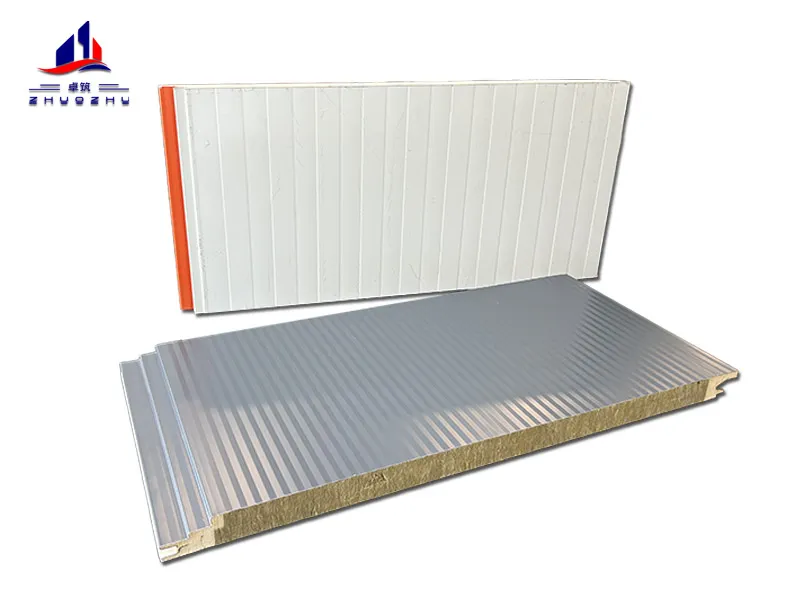
2. Rock Wool/Mineral Wool Cores
Technical Characteristics:
- Density: 80-150 kg/m³
- Thermal Conductivity: 0.036-0.042 W/(m·K)
- Fiber Orientation: Randomly oriented
- Melting Point: >1000°C

Performance Advantages:
- Fire Resistance: Class A non-combustible rating
- Acoustic Performance: Excellent sound absorption
- Thermal Stability: Maintains performance at high temperatures
- Vapor Permeability: Allows moisture diffusion
Applications:
- Fire-rated partitions
- Industrial facilities
- High-temperature environments
- Sound-sensitive applications
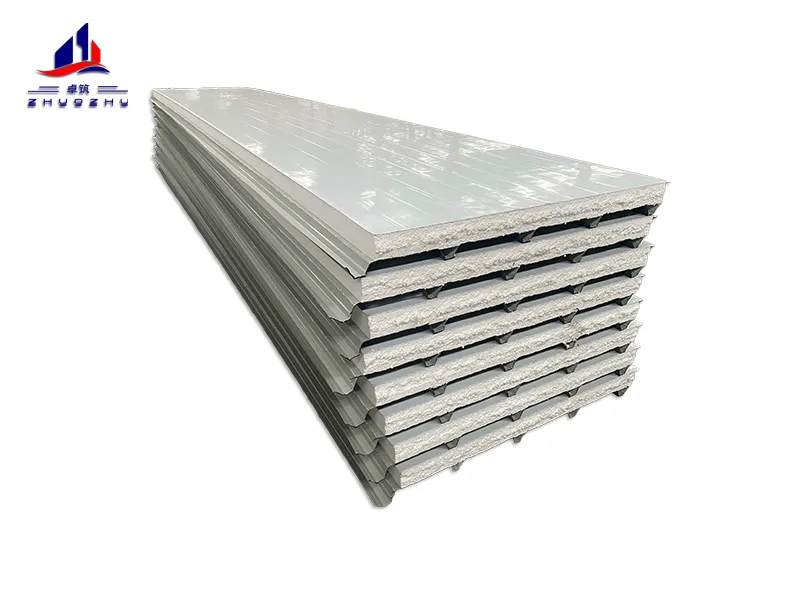
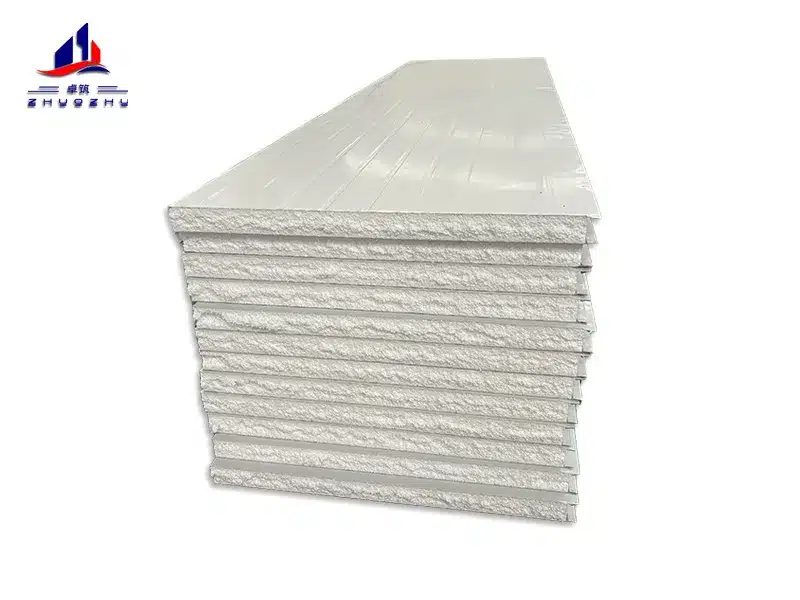
3. Expanded Polystyrene (EPS) Cores
Technical Characteristics:
- Density: 15-30 kg/m³
- Thermal Conductivity: 0.036-0.040 W/(m·K)
- Bead Structure: Expanded polystyrene beads
- Water Absorption: 2-4% by volume
Performance Advantages:
- Cost Effectiveness: Most economical option
- Lightweight: Minimal structural load
- Moisture Resistance: Good short-term performance
- Versatility: Suitable for various applications
Applications:
- Temporary structures
- Budget-conscious projects
- Moderate climate applications
- Non-critical insulation areas
4. Extruded Polystyrene (XPS) Cores
Technical Characteristics:
- Density: 28-45 kg/m³
- Thermal Conductivity: 0.030-0.035 W/(m·K)
- Cell Structure: Homogeneous closed-cell
- Water Absorption: <0.3% by volume
Performance Advantages:
- High Compressive Strength: Ideal for loaded applications
- Excellent Moisture Resistance: Minimal water absorption
- Long-term Performance: Maintains R-value when wet
- Dimensional Stability: Resists shrinking and warping
Applications:
- Floor and roof panels
- Below-grade applications
- High-moisture environments
- Heavy-duty industrial use
Metal Facing Materials and Finishes

1. Galvanized Steel Facings
Base Material Specifications:
- Coating Designation: G60 to G90 (180-275g/m² zinc)
- Substrate Thickness: 0.4mm to 1.0mm
- Surface Treatment: Chromate passivation
Performance Characteristics:
- Corrosion Protection: Sacrificial zinc coating
- Economic Value: Cost-effective solution
- Paint Adhesion: Excellent base for coatings
- Limitations: White rust formation in wet conditions
Typical Applications:
- Interior partitions
- Dry industrial environments
- Temporary structures
- Secondary building elements
2. Galvalume (Aluminum-Zinc Alloy Coated Steel)
Advanced Coating System:
- Coating Composition: 55% aluminum, 43.4% zinc, 1.6% silicon
- Coating Weight: 100-200 g/m²
- Heat Resistance: Up to 315°C continuous
Superior Performance Features:
- Enhanced Corrosion Resistance: 2-4x better than galvanized steel
- Heat Reflectivity: Excellent solar reflectance
- Cut Edge Protection: Galvanic protection at exposed edges
- Durability: 20-30 year service life expectancy
Applications:
- Exterior wall and roof systems
- Coastal environments
- Industrial buildings
- Agricultural facilities
3. Aluminum Facings
Pure Metal Option:
- Alloy Types: 3000 and 5000 series
- Thickness Range: 0.5mm to 1.2mm
- Surface Treatment: Anodizing or coating
Unique Advantages:
- Corrosion Resistance: Natural oxide layer protection
- Light Weight: Approximately 1/3 the weight of steel
- Formability: Excellent for complex profiles
- Recyclability: High scrap value and sustainability
Applications:
- Architectural facades
- Coastal structures
- Chemical plants
- Specialty architectural features
4. Specialty Coatings and Finishes
PVDF Coatings (70% Polyvinylidene Fluoride):
- Weather Resistance: 25+ year color retention
- Chemical Resistance: Withstands industrial atmospheres
- UV Stability: Minimal chalking and fading
- Applications: Premium architectural projects
HDPE Coatings (High-Density Polyethylene):
- Chemical Resistance: Excellent for corrosive environments
- Impact Resistance: Withstands mechanical damage
- Hygienic Properties: Easy cleaning and maintenance
- Applications: Food processing, clean rooms
Stone Chip Coatings:
- Aesthetic Appeal: Natural stone appearance
- Durability: Resists impact and abrasion
- Weather Resistance: Multi-layer protection system
- Applications: Decorative architectural elements
Performance Comparison and Selection Criteria
Thermal Performance Ranking:
- PUR/PIR Core Panels (R-7.0/inch)
- XPS Core Panels (R-5.0/inch)
- EPS Core Panels (R-4.0/inch)
- Rock Wool Core Panels (R-4.0/inch)
Fire Performance Classification:
- Class A: Rock Wool cores
- Class B1: PUR/PIR cores
- Class B2: EPS/XPS with flame retardants
Environmental Durability:
- Coastal Areas: PVDF coated Galvalume or Aluminum
- Industrial Zones: HDPE or PVDF coatings
- High Temperature: Galvalume or Aluminum
- Chemical Exposure: HDPE coated panels
Structural Performance Characteristics
Load-Bearing Capacity:
- Axial Load: Up to 4000 plf for wall applications
- Transverse Load: Span capabilities up to 20 feet
- Wind Resistance: Up to 160 mph design pressures
- Seismic Performance: Excellent diaphragm action
Connection Systems:
- Concealed Fasteners: Aesthetic appeal and weather tightness
- Exposed Fasteners: Economic and accessible
- Structural Splines: For panel-to-panel connections
- Anchor Systems: Wall to foundation connections
Applications and Case Studies
Industrial Applications:
- Warehouse Facilities: Large spans, rapid construction
- Manufacturing Plants: Durable, low-maintenance surfaces
- Cold Storage: Superior thermal performance
- Clean Rooms: Hygienic, easy-clean surfaces
Commercial Applications:
- Retail Buildings: Aesthetic flexibility
- Office Complexes: Energy efficiency
- Sports Facilities: Long spans, durability
- Agricultural Buildings: Corrosion resistance
Specialized Applications:
- Disaster Relief: Rapid deployment structures
- Remote Sites: Pre-fabricated components
- Temporary Facilities: Reusable systems
- Special Environments: Radiation shielding, clean rooms
Installation Best Practices
Handling and Storage:
- Lifting Equipment: Vacuum lifters recommended
- Storage Conditions: Protected from weather
- Handling Care: Avoid edge damage and coating scratches
Installation Techniques:
- Weather Protection: Temporary protection during installation
- Sealing Methods: Quality sealants for joints
- Alignment: Laser-guided placement systems
- Fastening: Torque-controlled installation
Quality Assurance:
- Inspection Protocols: Regular site inspections
- Testing Methods: Non-destructive testing
- Documentation: As-built records and maintenance manuals
Sustainability and Environmental Considerations
Life Cycle Assessment:
- Embodied Energy: Steel production and recycling
- Operational Energy: Thermal performance impact
- End-of-Life: Recyclability and disposal
Green Building Credits:
- Energy Efficiency: Contribution to LEED points
- Material Selection: Recycled content considerations
- Indoor Air Quality: Low VOC emissions
Future Trends and Innovations
Material Advancements:
- Nano-coatings: Enhanced surface protection
- Composite Materials: Improved strength-to-weight ratios
- Smart Materials: Responsive and adaptive properties
Manufacturing Innovations:
- Digital Fabrication: Precision manufacturing
- Automated Production: Quality and efficiency
- Customization: Project-specific solutions
Steel SIP panels offer a versatile and high-performance building solution that combines the structural benefits of steel facings with the thermal efficiency of various core materials. The wide range of available core materials and metal facing options allows designers to select the optimal combination for specific project requirements, environmental conditions, and performance criteria.
Understanding the characteristics and capabilities of each component enables the creation of building envelopes that deliver superior performance in terms of thermal efficiency, structural integrity, durability, and aesthetic appeal. As building technologies continue to evolve, steel SIP panels remain at the forefront of innovative construction solutions, offering sustainable, efficient, and cost-effective options for modern building projects.
