
The performance of insulated panels in various environmental conditions largely depends on their surface materials. While the core insulation provides thermal resistance, the surface materials determine the panel’s durability, moisture resistance, and overall longevity. This article provides a comprehensive analysis of surface materials used in metal sandwich panels and Structural Insulated Panels (SIPs), with particular focus on their performance in humid environments.
Metal Surface Materials for Sandwich Panels
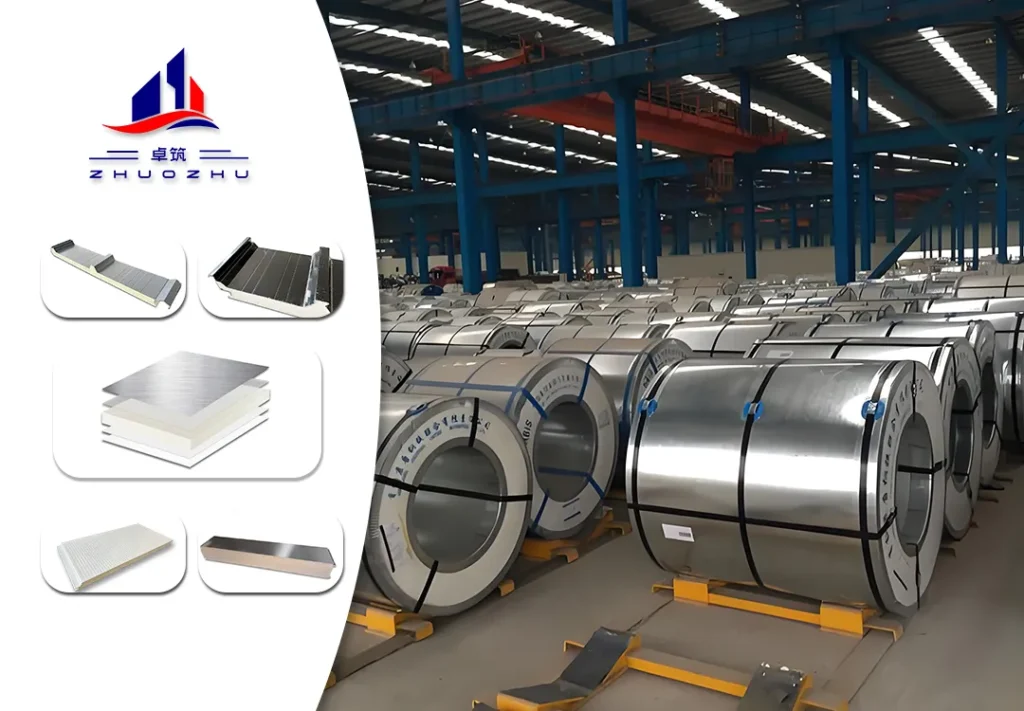
1. Galvanized Steel
Composition and Characteristics:
- Base material: Cold-rolled steel with zinc coating
- Coating thickness: G60 to G90 (600-900g/m² zinc)
- Surface treatment: Chromate passivation
Humidity Performance:
- Zinc Protection: Provides sacrificial anode protection
- White Rust Risk: Forms zinc hydroxide in continuous moisture
- Edge Protection: Vulnerable at cut edges and scratches
- Service Life: 15-25 years in moderate environments
Applications:
- Interior partitions
- Dry industrial environments
- Temporary structures
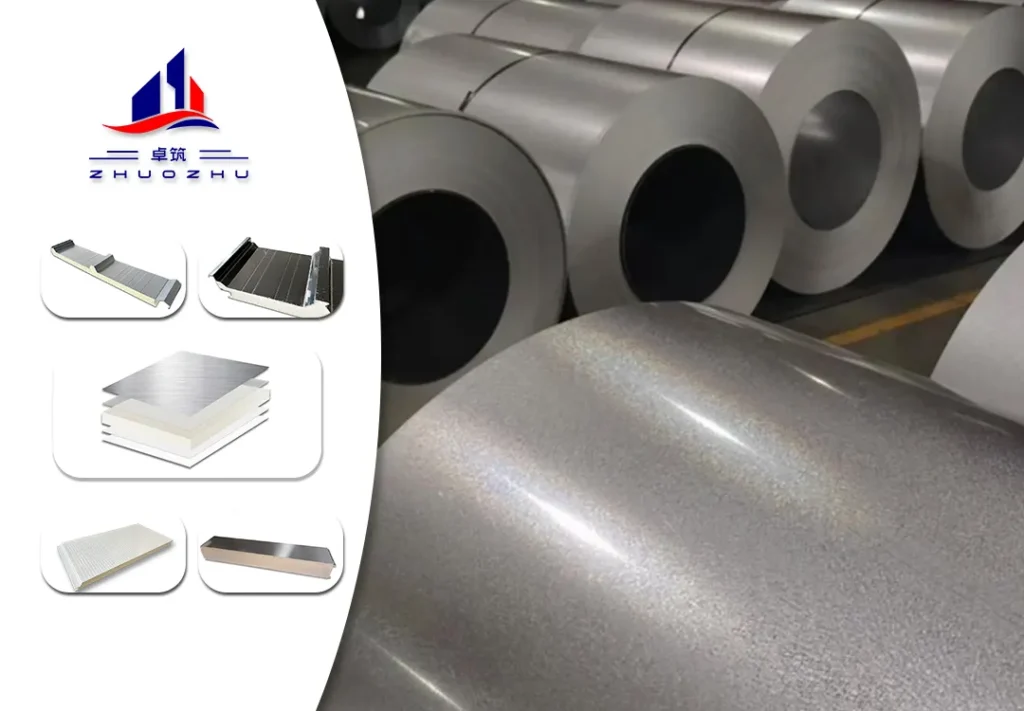
2. Galvalume (Aluminum-Zinc Alloy Coated Steel)
55% Aluminum-Zinc Alloy Coated Steel >>
Superior Characteristics:
- 55% aluminum, 43.4% zinc, 1.6% silicon composition
- 2-4 times better corrosion resistance than galvanized steel
- Heat resistance up to 315°C
Moisture Resistance:
- Aluminum Barrier: Creates physical barrier against moisture
- Zinc Protection: Galvanic protection at exposed edges
- Self-healing: Zinc protects steel at damaged areas
- Performance: Excellent in coastal and industrial environments
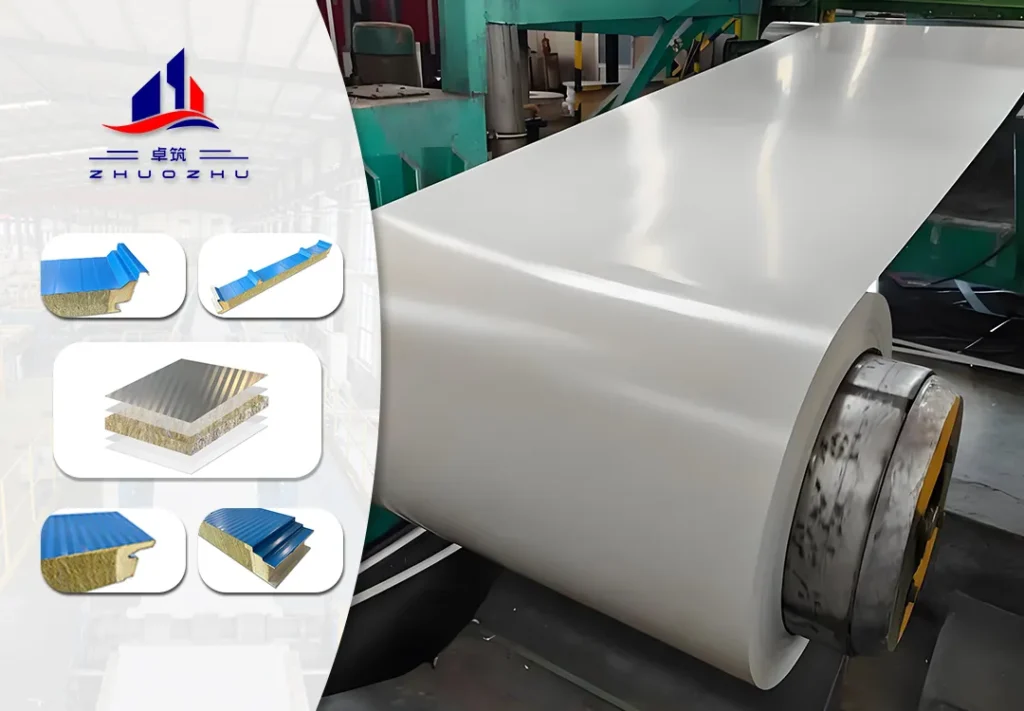
3. PVDF Coated Surfaces
PVDF Coating System Explained >>
Advanced Protection:
- 70% PVDF resin with 30% acrylic
- Superior color retention and chalk resistance
- Excellent UV resistance
Environmental Performance:
- Chemical Resistance: Withstands acid rain and pollution
- Moisture Barrier: Non-porous surface prevents water penetration
- Temperature Tolerance: -40°C to +120°C
- Warranty: 20-25 years for color and gloss retention
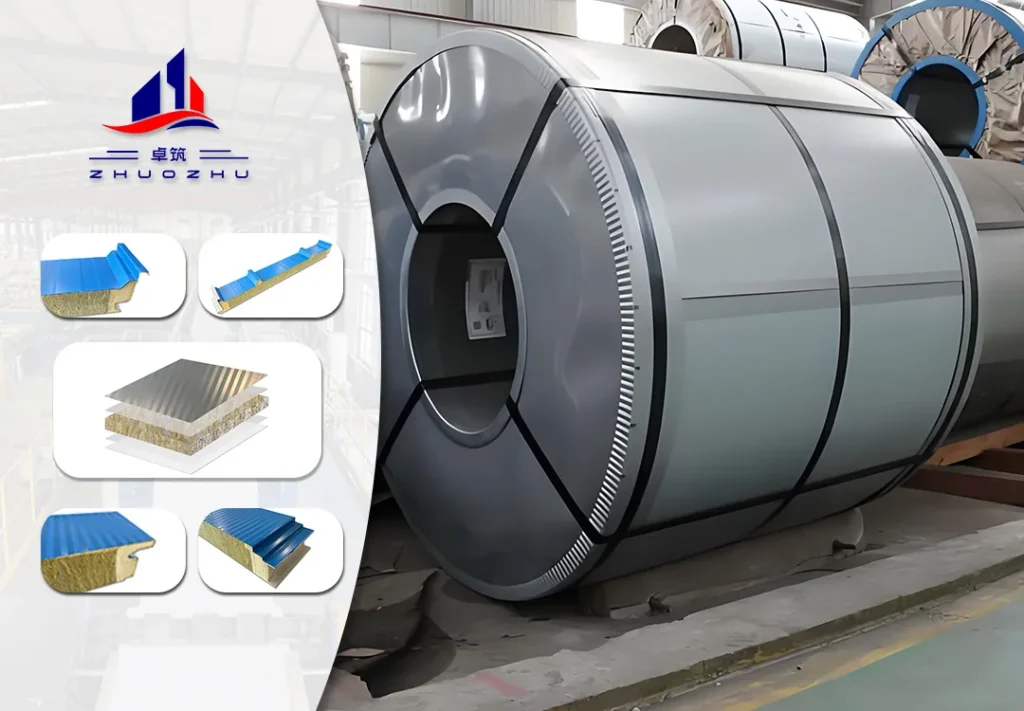
4. HDPE Coated Steel
What are the Advantages of Using HDPE Over Metal? >>
Polymer Protection:
- High-density polyethylene coating
- Excellent impact and abrasion resistance
- Good chemical resistance
Humidity Performance:
- Water Resistance: Impermeable to liquid water
- Vapor Barrier: Low vapor transmission rate
- Flexibility: Maintains integrity during thermal movement
- Applications: Food processing, chemical plants
5. Stone Chip Coated Surfaces
Multi-layer Protection:
- Base coat: Epoxy primer for adhesion
- Middle coat: Acrylic modified coating with stone chips
- Top coat: Clear protective layer
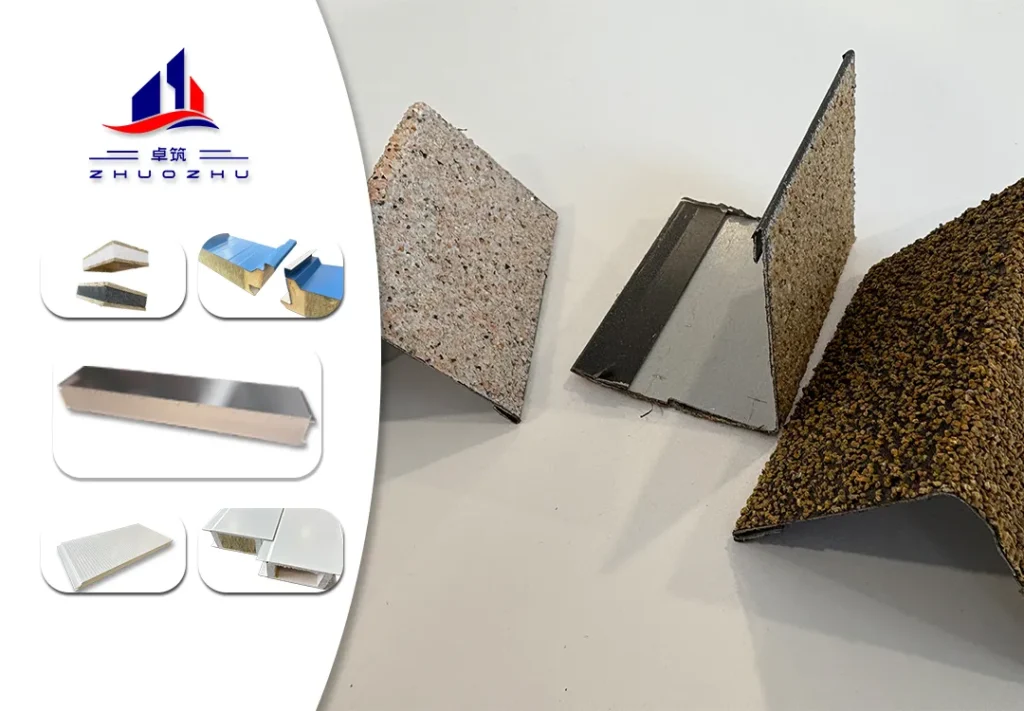
Environmental Durability:
- Impact Resistance: Withstands hail and mechanical damage
- UV Protection: Maintains appearance in direct sunlight
- Moisture Barrier: Multiple layers prevent water penetration
- Maintenance: Easy to clean and maintain
Surface Materials for SIPs (Structural Insulated Panels)
1. OSB (Oriented Strand Board)
Oriented Strand Board (OSB) >>
Standard SIPs Surface:
- Wood strands oriented in specific directions
- Water-resistant adhesives ( phenol-formaldehyde)
- Various thicknesses: 7/16″ to 1/2″
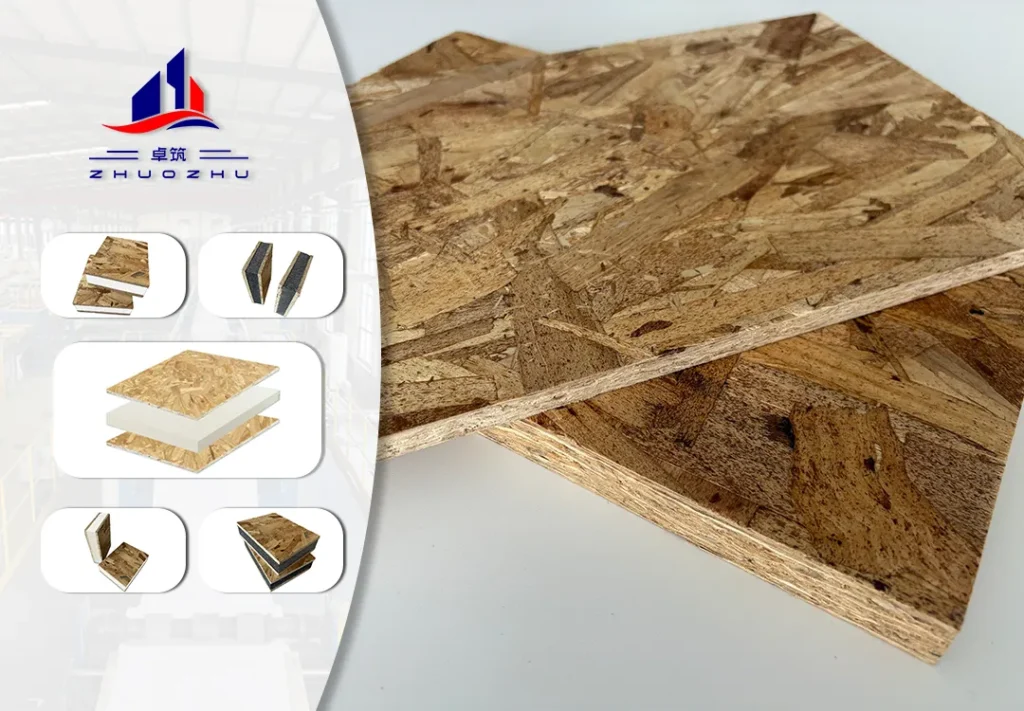
Moisture Performance Challenges:
- Water Absorption: Swells and delaminates when wet
- Edge Vulnerability: Particularly susceptible at panel edges
- Mold Risk: Organic material supports mold growth
- Drying Time: Slow drying once saturated
Protection Strategies:
- Factory Primers: Water-resistant coatings
- Edge Sealing: Butyl tape or liquid sealants
- Proper Storage: Protection from weather during construction
- Quick Enclosure: Minimize exposure time
2. Fiber Cement Board
Alternative SIPs Facing:
- Inorganic composition: cement, silica, cellulose fibers
- Non-combustible and moisture resistant
- Higher density than OSB
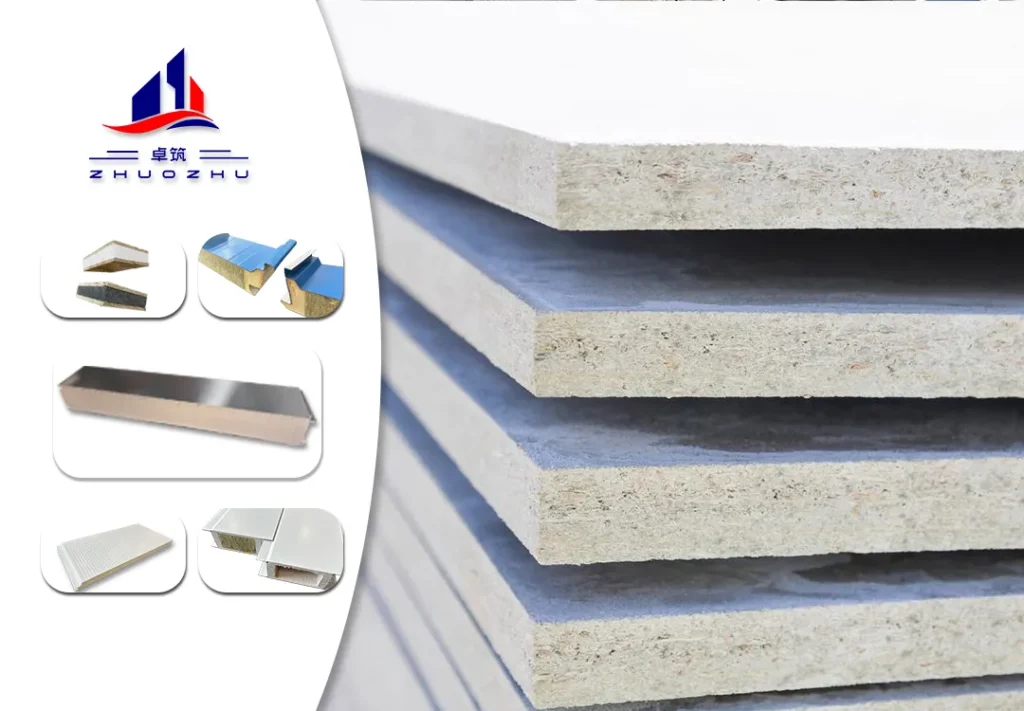
Humidity Performance:
- Dimensional Stability: Minimal expansion/contraction
- Mold Resistance: Inorganic material prevents mold growth
- Water Resistance: Withstands periodic wetting
- Limitations: Heavier weight, more brittle
3. Magnesium Oxide Board
Premium SIPs Facing:
- Magnesium oxide, magnesium chloride, reinforcing fibers
- Non-combustible and waterproof
- High structural strength
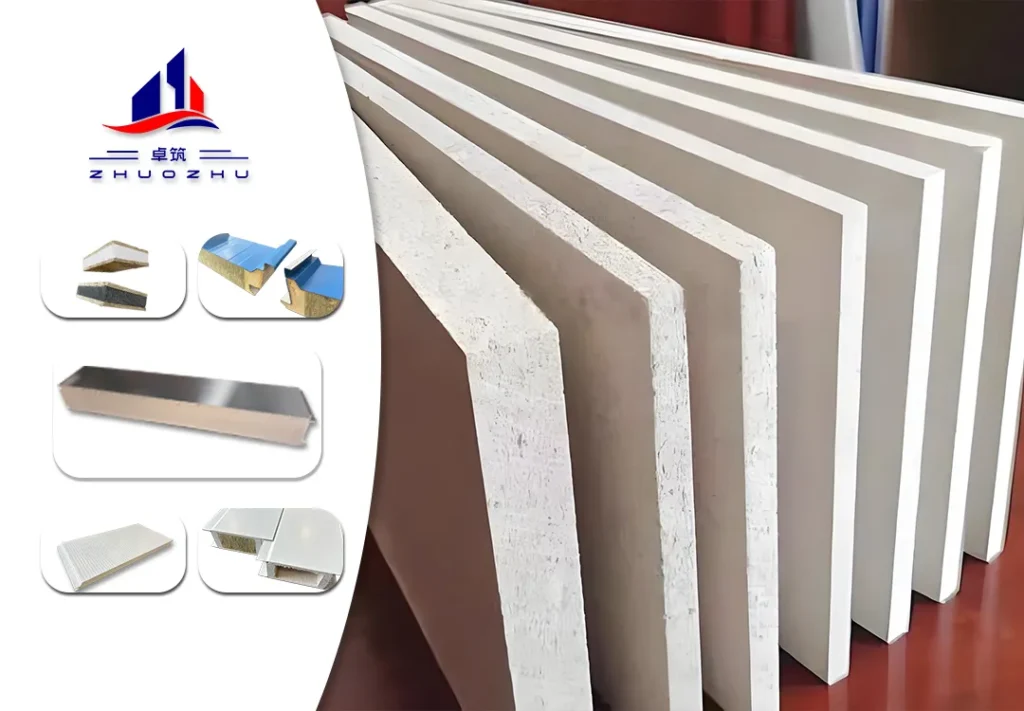
Environmental Advantages:
- Zero Water Absorption: Impervious to moisture damage
- Mold Proof: Alkaline surface inhibits microbial growth
- Termite Resistance: Inorganic composition
- Durability: 50+ year service life potential
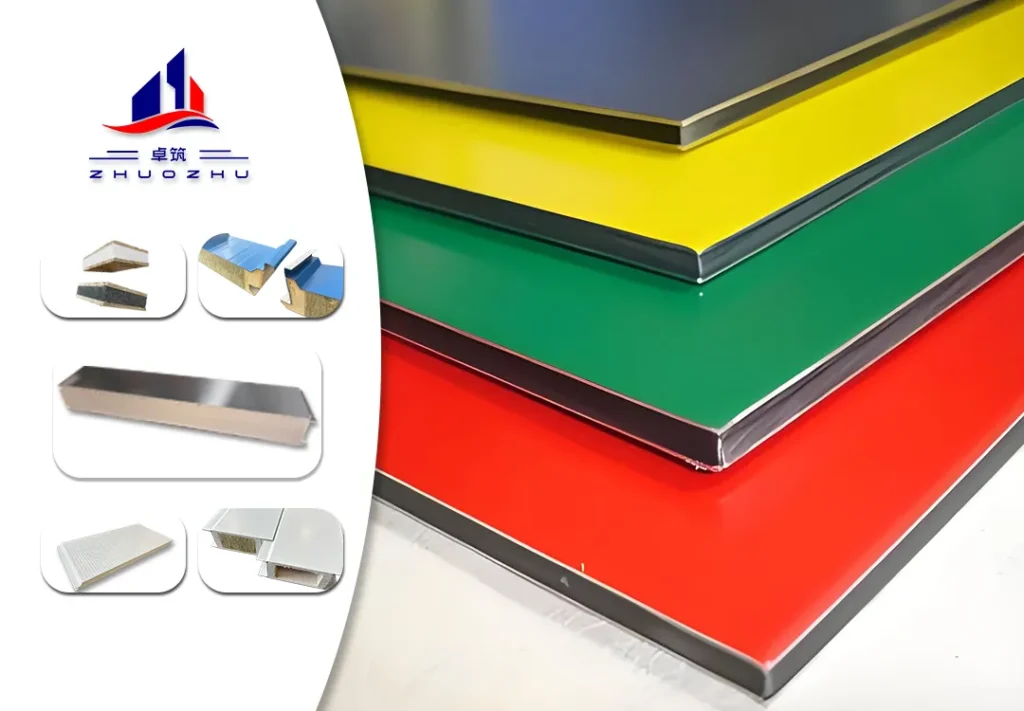
4. Aluminum Composite Panels
What is an aluminium composite panel? >>
Hybrid Solution:
- Two thin aluminum sheets bonded to plastic core
- Lightweight yet rigid
- Excellent flatness
Moisture Performance:
- Corrosion Resistance: Aluminum oxide layer protection
- Waterproof: Impermeable surface
- Temperature Stability: Minimal expansion/contraction
- Maintenance: Easy cleaning and low maintenance
Performance Comparison in Humid Environments
Corrosion Resistance Ranking:
- PVDF Coated Galvalume
- Stone Chip Coated Galvalume
- HDPE Coated Steel
- Galvalume (uncoated)
- Galvanized Steel
Moisture Absorption Resistance:
- Metal surfaces (all types)
- Magnesium Oxide Board
- Fiber Cement Board
- OSB with protective coatings
- Standard OSB
Mold and Fungal Resistance:
- All metal surfaces
- Magnesium Oxide Board
- Fiber Cement Board
- Properly sealed OSB
- Unprotected OSB
Application-Specific Recommendations
High Humidity/Coastal Areas:
- Primary Choice: PVDF coated Galvalume
- Alternative: Stone chip coated panels
- SIPs Facing: Magnesium oxide board
- Critical Details: Enhanced edge protection
Food Processing/Pharmaceutical:
- Primary: HDPE coated panels
- Alternative: PVDF coated surfaces
- Cleaning: Smooth, non-porous surfaces
- Hygiene: Seamless connections
Swimming Pools/Water Parks:
- Exterior: PVDF coated aluminum-zinc
- Interior: Fiber cement or magnesium oxide
- Ventilation: Enhanced airflow behind panels
- Drainage: Proper water management
Tropical Climate Applications:
- Roofing: High solar reflective PVDF
- Walls: Ventilated rain screen systems
- Core Material: Closed-cell insulation (PUR/PIR)
- Protection: UV-resistant coatings
Installation and Maintenance Considerations
Critical Installation Practices:
- Edge Sealing: Butyl tape or quality sealants
- Flashing Integration: Proper water management
- Ventilation: Air gaps in rain screen systems
- Tool Protection: Avoid damaging coatings during installation
Maintenance Protocols:
- Regular Inspection: Check for coating damage
- Cleaning: Mild detergent and soft brushing
- Repair: Immediate treatment of scratches
- Recoating: Periodic refresh of protective coatings
Testing and Certification Standards
Performance Testing:
- ASTM B117: Salt spray corrosion testing
- ASTM D2247: Water resistance testing
- ASTM G154: UV exposure testing
- ISO 12944: Corrosion protection standards
Quality Assurance:
- Coating Thickness: Dry film thickness measurements
- Adhesion Testing: Cross-cut tape tests
- Color Consistency: Spectrophotometer verification
- Warranty Support: Manufacturer performance guarantees
The selection of surface materials for insulated panels requires careful consideration of environmental exposure, particularly humidity levels. Metal surfaces offer superior moisture resistance when properly coated and maintained, while SIPs surfaces require additional protection strategies to ensure long-term performance. Understanding the specific characteristics and limitations of each material enables designers and builders to make informed decisions that ensure building durability and performance in all climate conditions.
The integration of appropriate surface materials with quality installation practices creates building envelopes that withstand environmental challenges while maintaining aesthetic appeal and functional performance throughout their service life.
