SEPS OSB SIPs (Graphite )
LEADING TRADITIONAL SEPS OSB SIPs MANUFACTURER & SUPPLIER IN CHINA
SEPS, short for Graphite Molded Polystyrene Foam, commonly known as “black foam” or “graphite polystyrene panel” is a high-performance thermal insulation material modified from traditional EPS (Extended Polystyrene). The added graphite particles create a modified material with nano-scale graphite. SEPS’s signature black color comes from the added graphite particles. These particles act like countless tiny mirrors, effectively reflecting thermal radiation. The material also contains infrared absorbers, significantly reducing heat conduction. This significantly improves SEPS’s thermal insulation performance compared to white EPS.
About ZHUOZHU Structural Insulation Panels
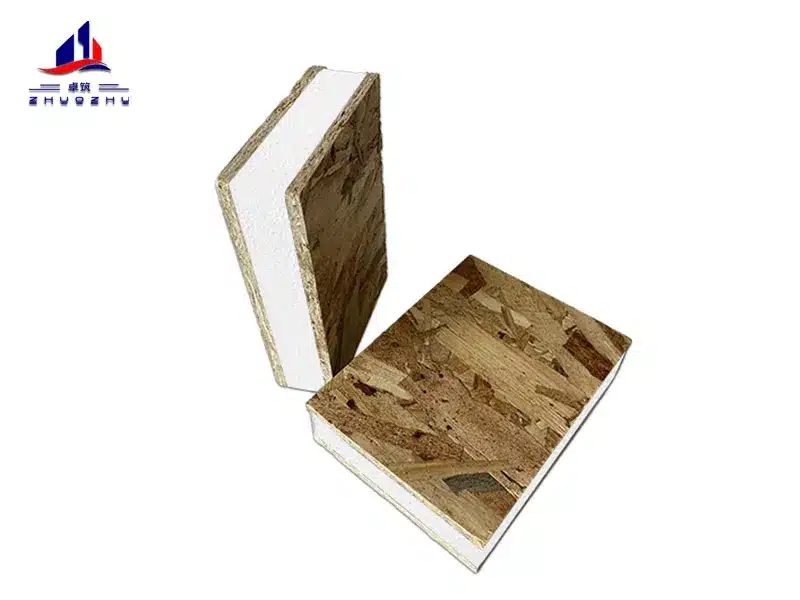
SEPS OSB Insulation Panels
SEPS
SEPS is a new type of thermal insulation material enhanced by adding graphite particles. It has better thermal insulation and fire resistance than traditional white EPS and is one of the most efficient solutions in the field of building energy conservation.
- Excellent thermal insulation performance
- Better fire resistance
- Higher eco-efficiency
CONTACT US
Address:
Office: Global International, Lanshan District, Linyi City, Shandong Province, China
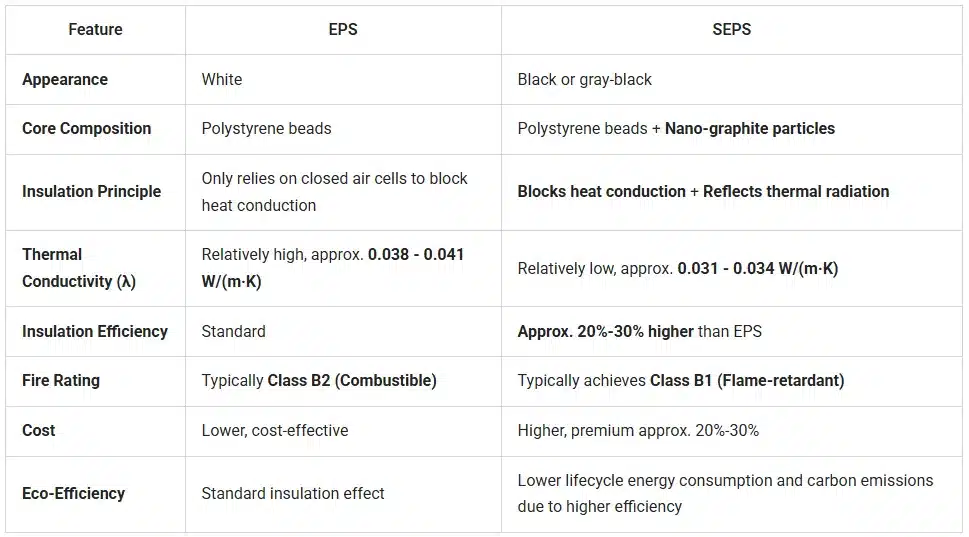
| Feature | EPS | SEPS |
|---|---|---|
| Appearance | White | Black or gray-black |
| Core Composition | Polystyrene beads | Polystyrene beads + Nano-graphite particles |
| Insulation Principle | Only relies on closed air cells to block heat conduction | Blocks heat conduction + Reflects thermal radiation |
| Thermal Conductivity (λ) | Relatively high, approx. 0.038 – 0.041 W/(m·K) | Relatively low, approx. 0.031 – 0.034 W/(m·K) |
| Insulation Efficiency | Standard | Approx. 20%-30% higher than EPS |
| Fire Rating | Typically Class B2 (Combustible) | Typically achieves Class B1 (Flame-retardant) |
| Cost | Lower, cost-effective | Higher, premium approx. 20%-30% |
| Eco-Efficiency | Standard insulation effect | Lower lifecycle energy consumption and carbon emissions due to higher efficiency |
Advantages of SEPS OSB SIPs
Broad Application Prospects
SEPS OSB SIPs have a wide range of applications: in the construction sector, they are suitable for high-end projects such as passive houses and prefabricated buildings; in the industrial sector, they can be used in specialized environments such as cold storage and constant-temperature workshops; and in the residential sector, they are ideal for roof insulation and exterior wall decoration. Their modular design allows for rapid installation, significantly improving construction efficiency.
Economic Benefits and Social Value
Despite a slightly higher initial investment, SEPS OSB SIPs offer significant cost advantages over their entire lifecycle. Field data shows that buildings using this material can reduce heating and cooling costs by over 50%, with a payback period typically exceeding five years. More importantly, their excellent thermal insulation properties help mitigate the urban heat island effect, providing significant social benefits.
Green and Ecological Value
This material embodies environmental protection principles throughout its entire life cycle. The environmentally friendly foaming process used during production can reduce building energy consumption by over 40% during use, significantly reducing carbon emissions. Notably, SEPS OSB SIPs are 90% recyclable, achieving a truly green process from production to disposal, fully aligned with the requirements of the carbon neutral era.
Excellent hydrophobicity
SEPS utilizes a special graphite modification process to achieve a closed-cell ratio of over 98%, creating a complete, closed honeycomb structure. This structure effectively blocks water penetration, maintaining a volumetric water absorption rate below 1.5% even in prolonged humid environments.
Excellent Fire Safety
SEPS OSB SIPs achieve a significant breakthrough in fire resistance, meeting Class B1 fire safety standards. The graphite-modified polystyrene has a more stable molecular structure, forming a dense carbonized layer when exposed to fire, effectively preventing flame spread. This unique advantage gives it a unique advantage in high-rise buildings, public spaces, and other areas with stringent fire protection requirements, providing reliable protection for building safety.
Revolutionary Thermal Insulation Performance
The core advantage of SEPS OSB SIPs lies in their exceptional thermal insulation. Made from BASF’s Neopor® core material, SEPS utilizes unique graphite particles and infrared absorber technology to reduce thermal conductivity to an astonishing 0.032 W/(m·K). This innovative design significantly increases thermal reflectivity, improving insulation performance by over 30% compared to traditional EPS.
Higher performance
Practice has shown that buildings using SEPS OSB SIPs only require 170 kg of material to meet the insulation requirements of a 200 square meter building, resulting in significant energy savings.
Graphene EPS (SEPS): Revolutionary Breakthrough in Building Insulation Materials
Introduction: Redefining New Standards for Insulation Materials
In today’s pursuit of building energy efficiency and sustainable development, Graphite Molded Polystyrene Foam (SEPS) is redefining the technical standards for building insulation materials with its exceptional performance. This innovative material not only inherits the advantages of traditional EPS but also achieves a qualitative leap in performance through the addition of graphene.
Core Technology Analysis of SEPS
Graphene EPS (SEPS) achieves comprehensive performance improvements by adding nano-level graphene particles to traditional polystyrene foam:
Graphene Enhancement Mechanism: Graphene layers form a thermal reflection barrier within the foam matrix
Nano-Level Dispersion Technology: Ensures uniform distribution of graphene particles, maximizing performance improvement
Optimized Closed-Cell Structure: Cell size controlled at 0.1-0.3mm, closed-cell rate ≥95%
Performance Comparison: SEPS vs Traditional Insulation Materials
| Performance Indicator | SEPS | Traditional EPS | XPS | Rock Wool |
|---|---|---|---|---|
| Thermal Conductivity (W/m·K) | 0.031-0.033 | 0.035-0.039 | 0.030-0.035 | 0.036-0.042 |
| Fire Rating | Class B1 Flame-Retardant | Class B2 Combustible | Class B1 Flame-Retardant | Class A Non-Combustible |
| Compressive Strength (kPa) | 150-250 | 100-150 | 200-300 | 40-120 |
| Water Absorption (%) | ≤1.0 | ≤2.0 | ≤0.7 | ≤1.5 |
| Service Life (Years) | ≥40 | ≥30 | ≥35 | ≥25 |
| Environmental Performance | Recyclable | Recyclable | Recyclable | Recyclable |
Unique Advantages of SEPS
1. Exceptional Thermal Performance
Graphene particles form an efficient thermal reflection layer, reducing radiant heat transfer
Thermal conductivity reduced by 15-20% compared to traditional EPS
Thickness can be reduced by 20% under the same insulation requirements
2. Enhanced Fire Safety
Graphene promotes the formation of a carbonization layer, blocking flame spread
Oxygen index increased to over 32%
Significant improvement in smoke density rating
3. Excellent Mechanical Properties
Compressive strength increased by over 50%
Superior dimensional stability, deformation rate ≤1%
Significantly enhanced anti-aging performance
In-Depth Expansion of Application Areas
Building Exterior Wall Insulation Systems
Preferred material for thin plaster systems
Core material for integrated insulation and decorative panels
Prefabricated building wall panels
Cold Chain Logistics Facilities
Ideal choice for cold storage insulation layers
Refrigerated truck body insulation
Cold chain storage buildings
Industrial and Special Applications
Clean factory insulation partitions
Ship cabin insulation
Agricultural farm environmental control
Installation and Construction Advantages
Construction Convenience
Lightweight, easy to cut and install
Good compatibility with various bonding mortars
No special tools or equipment required
Quality Control
Factory prefabrication ensures stable quality
Simple on-site processing with low loss rate
Easy quality inspection and control
Economic Benefit Analysis
Initial Investment
Price 15-25% higher than traditional EPS
But 10-15% lower than XPS
Optimal comprehensive cost-performance ratio
Lifecycle Cost
Significant energy-saving effects, payback period of 2-3 years
Low maintenance costs
Long service life, lower comprehensive cost
Environmental Benefits and Sustainable Development
Carbon Footprint Analysis
Production energy consumption 40% lower than rock wool
Recyclable, reducing construction waste
Supports building carbon neutrality goals
Green Building Certification
Meets LEED, BREEAM, and other certification requirements
Complies with China’s Three-Star Green Building Standard
Supports building energy efficiency improvement
Technology Development Trends
Material Innovation Directions
Optimization of graphene content to enhance performance
Development of multifunctional composite panels
Research on intelligent temperature control materials
Application Expansion Areas
Passive ultra-low energy consumption buildings
Near-zero energy consumption buildings
Energy-saving renovations of existing buildings
Selection Recommendations
When to Prefer SEPS
Projects with high requirements for thermal performance
Projects pursuing the best cost-performance ratio
Places requiring good fire performance
Owners emphasizing long-term usage effects
Suitable Scenarios for Other Materials
Extremely humid environments: Consider XPS
Severely limited budgets: Traditional EPS
Conclusion
Graphene EPS (SEPS), as a significant innovation in building insulation materials, is changing the industry landscape with its exceptional comprehensive performance. It not only addresses the performance limitations of traditional EPS but also provides better solutions for building energy efficiency. As technology matures and costs further optimize, SEPS is expected to become a mainstream choice in the building insulation market.
In the context of moving toward carbon neutrality, choosing SEPS is not only selecting a high-quality material but also making a commitment to sustainable development. We believe this innovative material will inject new momentum into the green transformation of the building industry.
The data in this article is based on laboratory tests and engineering practices. Specific performance may vary depending on production processes and usage environments. Actual testing is recommended before selection.
Product Center
Discover our comprehensive range of thermal insulation materials, including 5 main series and over 30 product finishes, designed to meet the thermal insulation needs of modern buildings.
Metal Sandwich Panels
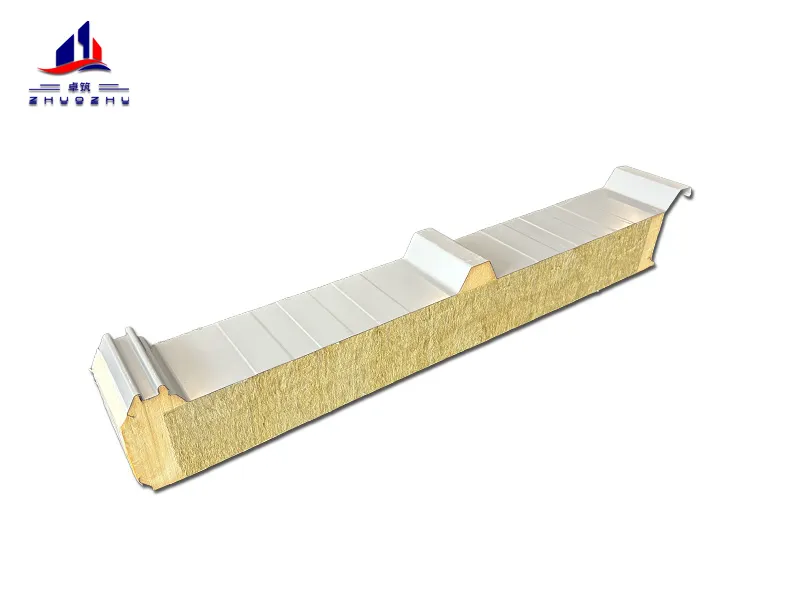
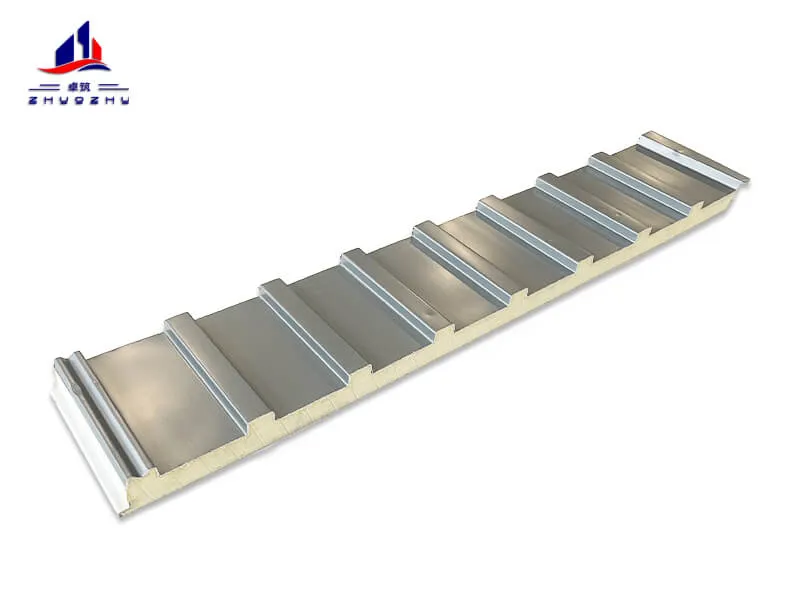
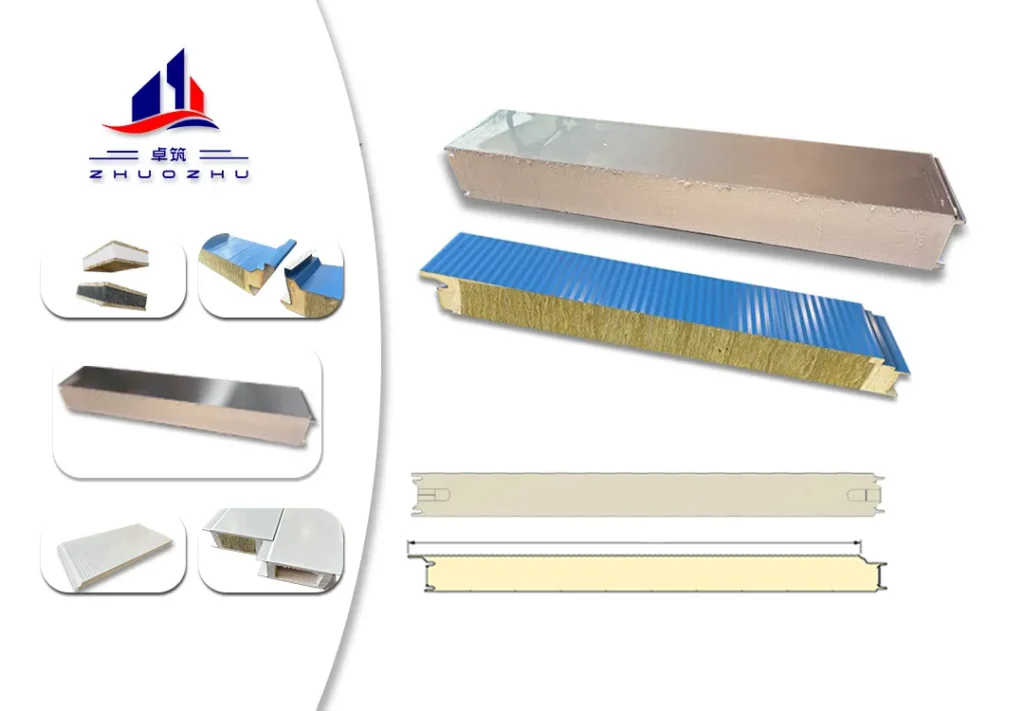
Polyurethane(PUR/PIR)/Rockwool/EPS/Polyurethane Edge Banding/Solar Energy
OSB SIPs
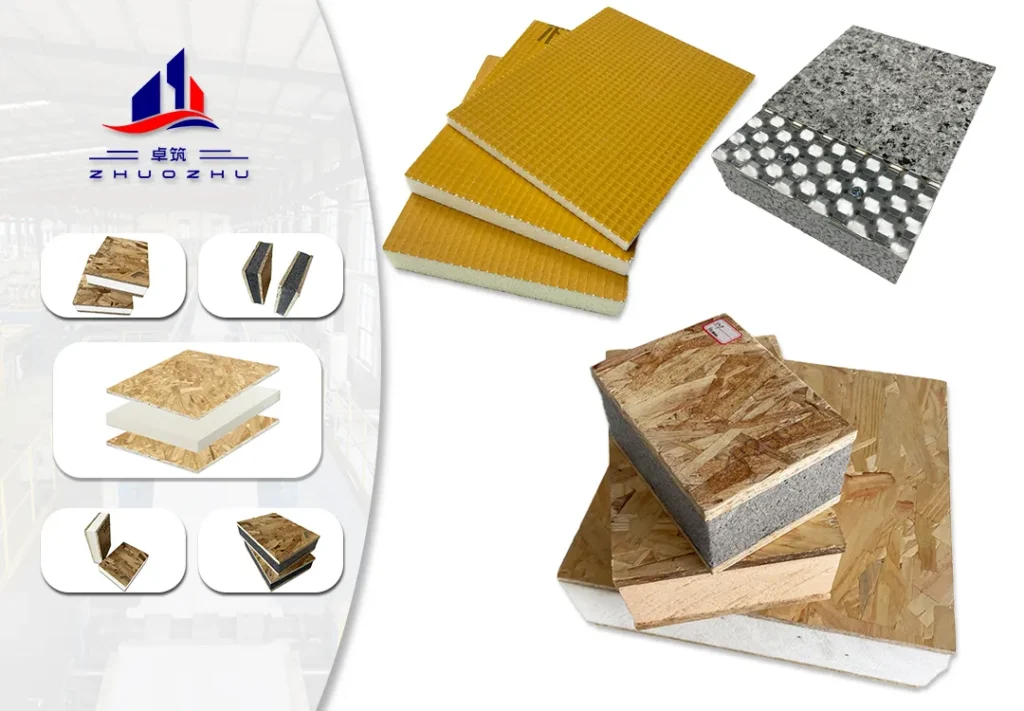
OSB and polyurethane (or EPS) sandwich, cut and shipped according to your drawings.
Cold Room Panels
Short-term Storage (0°C to +4°C) / Frozen Storage (-18°C to -25°C) / Quick Freezing (-35°C to -40°C)
Clean Room Panels
Silica Rock/Fireproof EPS/Glass Magnesium/Magnesium Oxysulfate
Metal Carved Panels
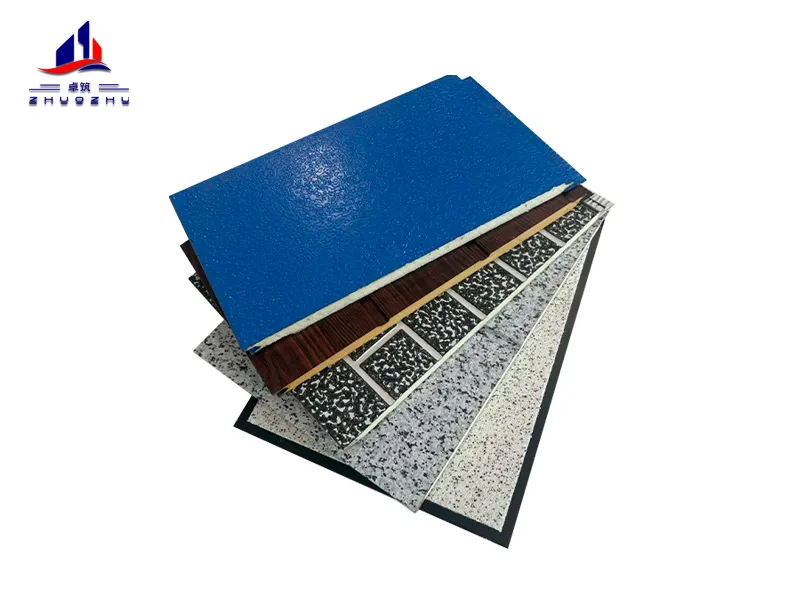
Wood Grain/Stone Grain/Brick Grain/Embossed/Stone Coating
Need any help with projects?
A multifaceted professional skilled in multiple fields of research, development as well as a learning specialist. Over 15 years of experience.
Room 1304, Building A, Global International, Lanshan District, Linyi City, Shandong Province, China
1141, Industrial Park, Luozhuang District, Linyi City, Shandong Province
ZHUOZHU Blog
We aim to be your reliable information partner, consistently sharing practical blog articles, timely industry updates, and forward-looking new product information. With thoughtful content, we will accompany every step of your growth in the thermal insulation materials industry.
Deciphering Rock Wool vs. PIR Sandwich…
In modern architectural design and construction, insulation and fire resistance have become core metrics for evaluating the quality…
SIPs (Structural Insulated Panels) Market Classification…
Introduction: A New Understanding of Structural Insulated Panels SIPs (Structural Insulated Panels) have evolved from an innovative building…
SIPS Building Systems: Revolutionizing Construction with…
Introduction: The Future of Building Technology SIPS building systems represent a transformative approach to modern construction, integrating structural…