
In today’s pursuit of building energy efficiency and sustainability, selecting the right insulation material is crucial. EPS (Expanded Polystyrene) and SEPS (Graphite Polystyrene) are two widely used insulation materials, but they differ significantly in performance, cost, and application scenarios. This article provides an in-depth comparison between EPS and SEPS to help you make an informed decision.

Technical Specifications Comparison Table
| Parameter | EPS | SEPS |
|---|---|---|
| Thermal Conductivity (W/m·K) | 0.038-0.041 | 0.031-0.034 |
| Fire Rating | B2 (Combustible) | B1 (Flame-retardant) |
| Density (kg/m³) | 15-30 | 18-35 |
| Water Absorption (%) | 2-4 | 1-2 |
| Compressive Strength (kPa) | 70-150 | 100-200 |
| Service Temperature (°C) | -50 to +70 | -50 to +75 |
| Cost Ratio | 1.0x | 1.2-1.5x |
| Environmental Impact | Standard | 30% lower CO₂ emissions |
1. What are EPS and SEPS?
- EPS is a lightweight thermal insulation material made from expanded polystyrene resin, known for its excellent thermal properties and low cost.
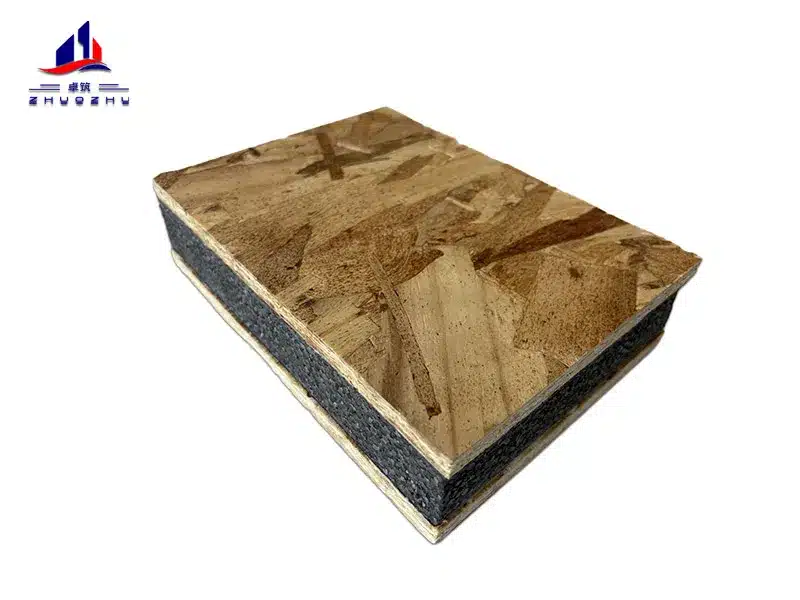
- SEPS is an enhanced version of EPS, incorporating nano-graphite particles to improve thermal performance, offering higher heat reflectivity and fire resistance.
2. Key Differences Between EPS and SEPS
Thermal Insulation Performance
- EPS has a thermal conductivity of approximately 0.038–0.041 W/(m·K), providing good insulation.
- SEPS has a lower thermal conductivity (0.031–0.034 W/(m·K)), offering 20%-30% higher efficiency than EPS, significantly reducing building energy consumption.
Fire Safety
- EPS typically achieves a Class B2 fire rating (combustible).
- SEPS can reach a Class B1 fire rating (flame-retardant) due to graphite modification, making it more suitable for public buildings or high-rise residences with strict fire safety requirements.
Moisture Resistance and Durability
- EPS has a high closed-cell rate (≥95%), providing good moisture resistance.
- SEPS offers further improvements over EPS, maintaining stability in long-term humid environments, making it ideal for cold storage, basements, and other high-moisture areas.
Cost and Long-Term Value
- EPS is lower in cost, ideal for budget-sensitive projects.
- SEPS has a higher initial cost but delivers superior long-term operational savings due to its energy efficiency, offering a better return on investment.

3. How to Choose Based on Project Needs?
Choose EPS if:
- The project has a limited budget.
- Basic building energy efficiency standards are sufficient.
- It is intended for temporary structures or general storage facilities.
Choose SEPS if:
- High energy efficiency standards are required (e.g., passive houses, green building certifications).
- A Class B1 or higher fire rating is necessary.
- The project focuses on lifecycle costs and is willing to invest upfront for long-term energy savings.
4. Is SEPS the Future Trend?
With tightening global building energy policies and growing environmental awareness, SEPS is becoming a market mainstream due to its comprehensive advantages. Its energy-saving and safety benefits are increasingly valued in high-end residences, industrial cold chains, and public buildings.
5. Conclusion
EPS and SEPS each have their applicable scenarios. If you prioritize low cost and moderate insulation needs, EPS is a reliable choice. If you focus on long-term energy savings, fire safety, and building quality, SEPS is a more worthwhile investment.
Need professional advice? Contact our insulation material experts for customized selection support!
