
Sandwich panels are widely used in construction for their excellent thermal insulation, structural strength, and ease of installation. The core material plays a critical role in determining the panel’s performance.

PUR / PIR (Polyurethane / Polyisocyanurate)
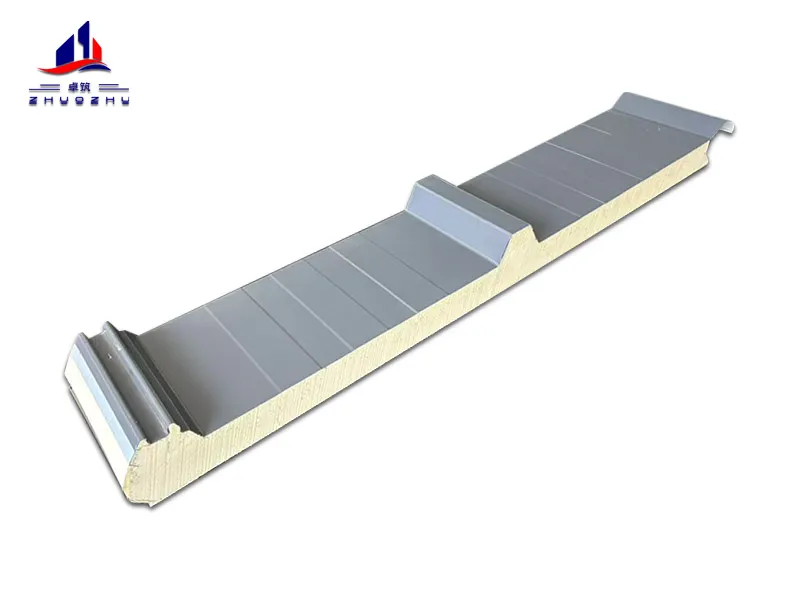
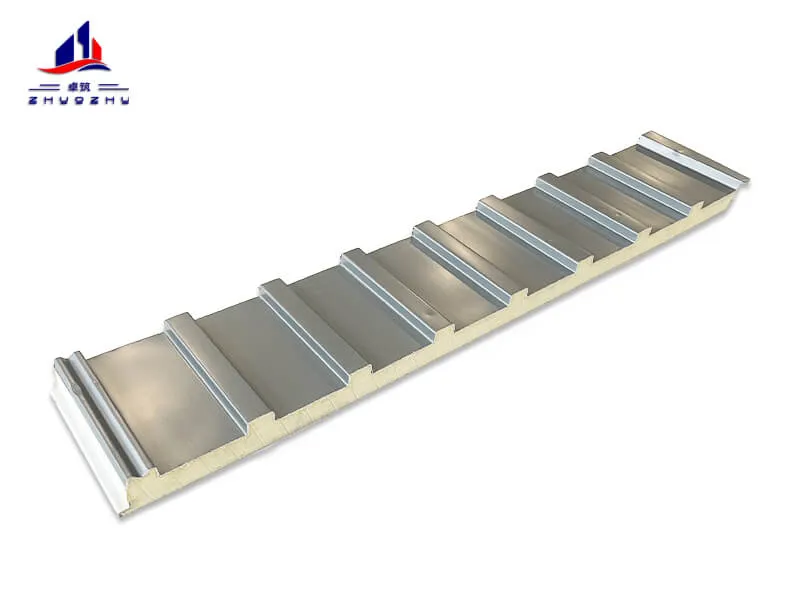
PUR vs. PIR: Know the Difference >>
Advantages:
- Excellent Thermal Insulation: Low thermal conductivity (0.018–0.026 W/m·K), offering high energy efficiency.
- Lightweight: Low density reduces overall structural load.
- Good Mechanical Strength: High compressive strength suitable for structural applications.
- Superior Fire Resistance (PIR): PIR offers enhanced fire performance, often achieving B1 or B2 fire ratings.
- Low Water Absorption: Resists moisture, ensuring long-term insulation performance.
Limitations:
- Higher cost compared to EPS and rock wool.
- PUR requires additives to achieve satisfactory fire resistance.
Applications:
- Cold room facilities
- Industrial buildings
- Clean rooms and controlled environments
Rock Wool (Mineral Wool)
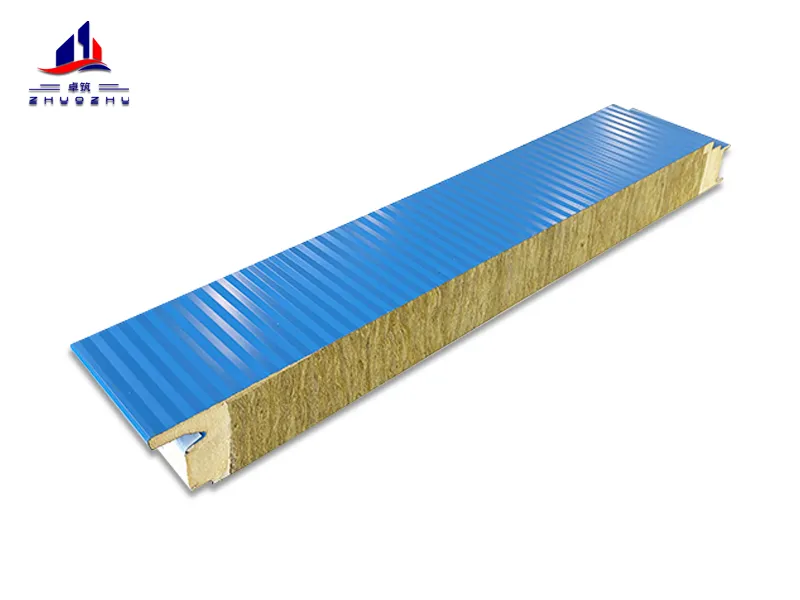
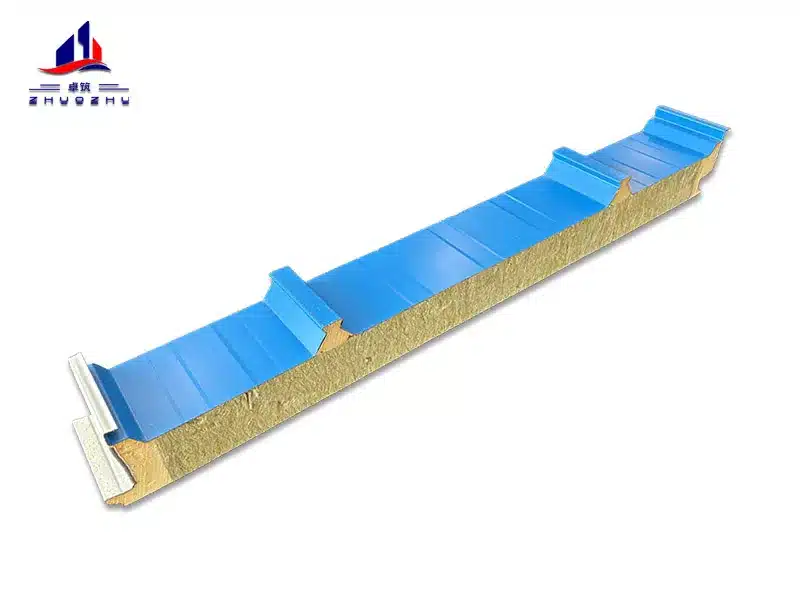
Advantages:
- Exceptional Fire Resistance: Non-combustible (A1 fire rating), making it ideal for fire-critical applications.
- Acoustic Insulation: Excellent sound absorption properties.
- Thermal Stability: Withstands high temperatures without degrading.
- Environmentally Friendly: Made from natural stone and recycled materials.
Limitations:
- Heavier: Higher density increases structural load.
- Lower Thermal Efficiency: Higher thermal conductivity (0.030–0.045 W/m·K) compared to PUR/PIR.
- Moisture Absorption: Requires protective layers to prevent water ingress.
Applications:
- Fire-rated walls and partitions
- High-temperature industrial facilities
- Studios and buildings requiring acoustic insulation
EPS (Expanded Polystyrene)
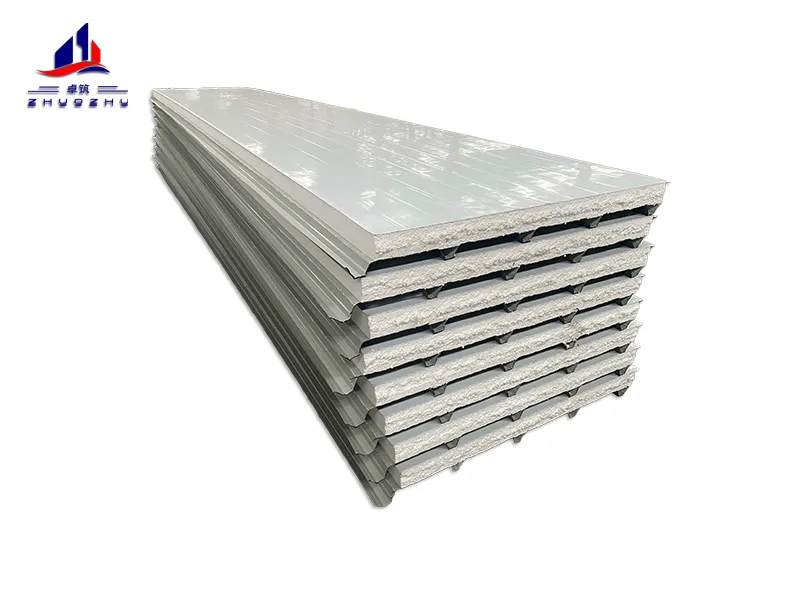

Advantages:
- Cost-Effective: Least expensive among the three materials.
- Lightweight: Easy to handle and install.
- Moisture Resistant: Does not absorb water, maintaining insulation properties.
- Good Thermal Insulation: Low thermal conductivity (0.030–0.040 W/m·K).
Limitations:
- Flammable: Typically classified as B3 or B2 unless treated with flame retardants.
- Lower Strength: Prone to damage under heavy loads.
- Environmental Concerns: Not biodegradable and derived from fossil fuels.
Applications:
- Residential and commercial insulation
- Cold chain logistics (e.g., perishable goods storage)
- Temporary structures and low-budget projects
Summary Comparison Table
| Property | PUR/PIR | Rock Wool | EPS |
|---|---|---|---|
| Thermal Conductivity | 0.018–0.026 W/m·K | 0.030–0.045 W/m·K | 0.030–0.040 W/m·K |
| Fire Performance | B1/B2 (PIR) / B2/B3 (PUR) | A1 (Non-combustible) | B2/B3 (Combustible) |
| Density | 35–45 kg/m³ | 60–200 kg/m³ | 10–30 kg/m³ |
| Water Absorption | Low (0.9–3%) | Medium to High | Very Low |
| Cost | High | Medium | Low |
| Primary Applications | Industrial, Cold Storage | Fire-rated, Acoustic | Residential, Temporary |
How to Choose the Right Core Material?
- Choose PUR/PIR for high thermal efficiency, mechanical strength, and moderate fire resistance.
- Choose Rock Wool for superior fire safety, acoustic insulation, and high-temperature stability.
- Choose EPS for budget-friendly projects with low moisture exposure and minimal fire risk.
The choice of core material depends on specific project requirements, including thermal performance, fire safety, budget, and environmental conditions. PUR/PIR offers balanced performance for energy-efficient buildings, rock wool is unmatched in fire resistance, and EPS provides a cost-effective solution for lightweight applications. Understanding these materials’ properties ensures optimal selection for enhanced building performance and safety.

Pingback: Sandwich Panel Core Material Fire Performance - ZHUOZHU
Pingback: Sandwich Panel Core Material - EPS (Expanded Polystyrene) - ZHUOZHU