
The Critical Role of Moisture Management
In building envelope design, moisture resistance is equally crucial as thermal performance. The longevity and effectiveness of insulated panels largely depend on their ability to withstand moisture intrusion and manage vapor transmission. This comprehensive analysis examines the moisture performance of various core materials and surface treatments, providing essential guidance for material selection in different climate conditions.

Core Material Moisture Performance
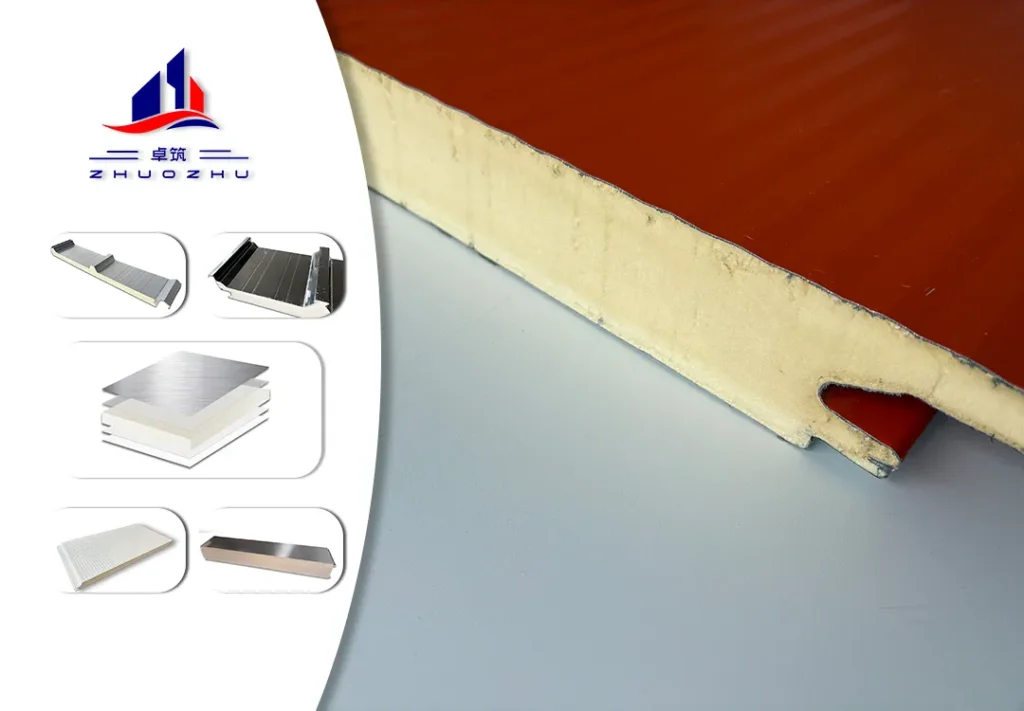
1. PUR/PIR Insulation Cores
Moisture Resistance Characteristics:
- Closed-cell Structure: ≥92% closed-cell content creates inherent moisture barrier
- Water Absorption: <2% by volume when immersed for 24 hours
- Vapor Permeability: 1.5-2.5 perms (semi-impermeable)
- Long-term Performance: Maintains R-value when exposed to moisture
Advantages:
- Excellent dimensional stability under humid conditions
- No moisture wicking through the material
- Prevents mold growth and bacterial development
- Suitable for high-humidity environments and cold storage applications
Limitations:
- Requires proper vapor barrier design in mixed climates
- Surface condensation risk if not properly detailed
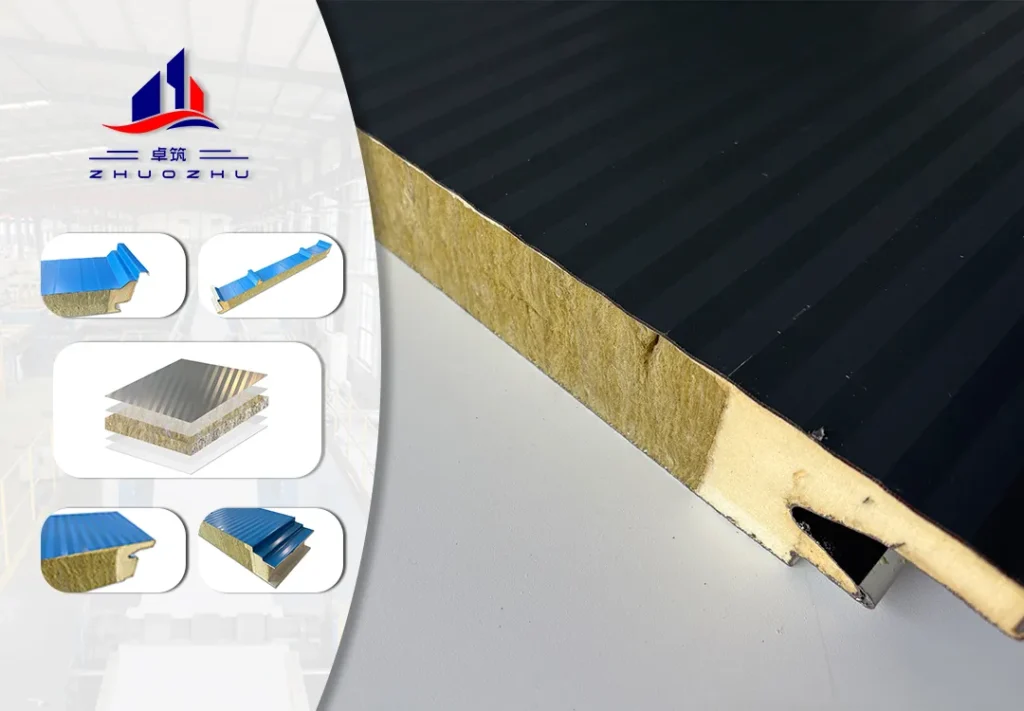
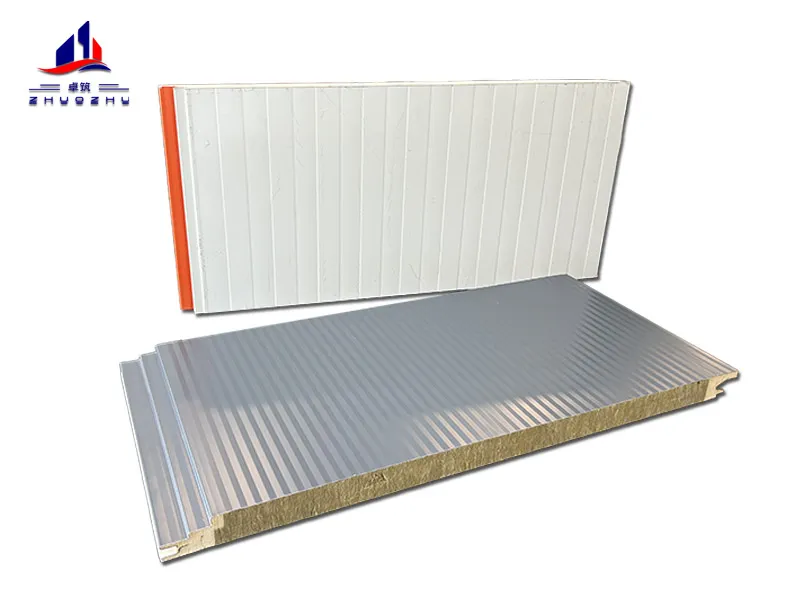
2. Rock Wool Insulation Cores
Moisture Resistance Characteristics:
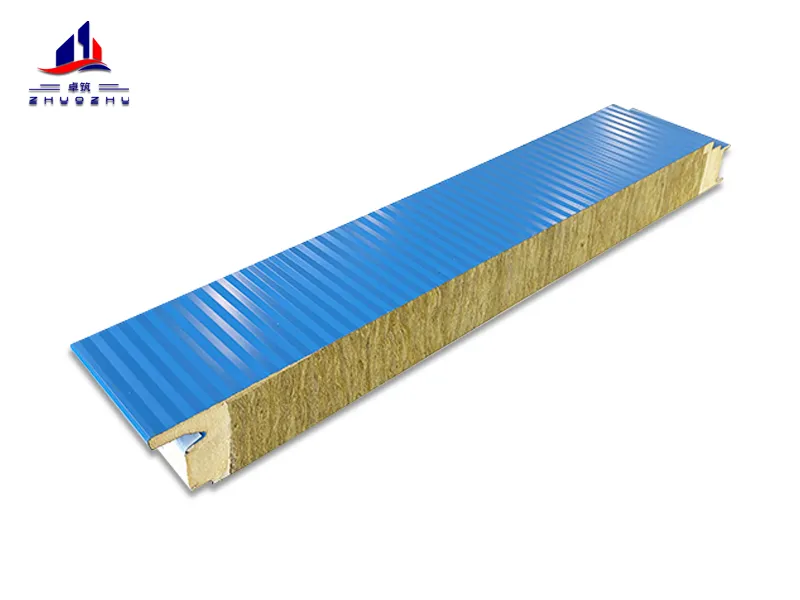
- Open-cell Structure: Fibrous matrix allows moisture penetration
- Water Absorption: Up to 15% by weight when immersed
- Vapor Permeability: 15-30 perms (vapor permeable)
- Drying Potential: Excellent drying capability when wet
Advantages:
- Maintains fire resistance properties when wet
- Can dry out without significant performance loss
- Non-corrosive to metal facings
- Suitable for applications requiring vapor openness
Limitations:
- Significant thermal performance reduction when wet
- Potential for settling and compaction in humid conditions
- Requires protective vapor barriers in humid climates
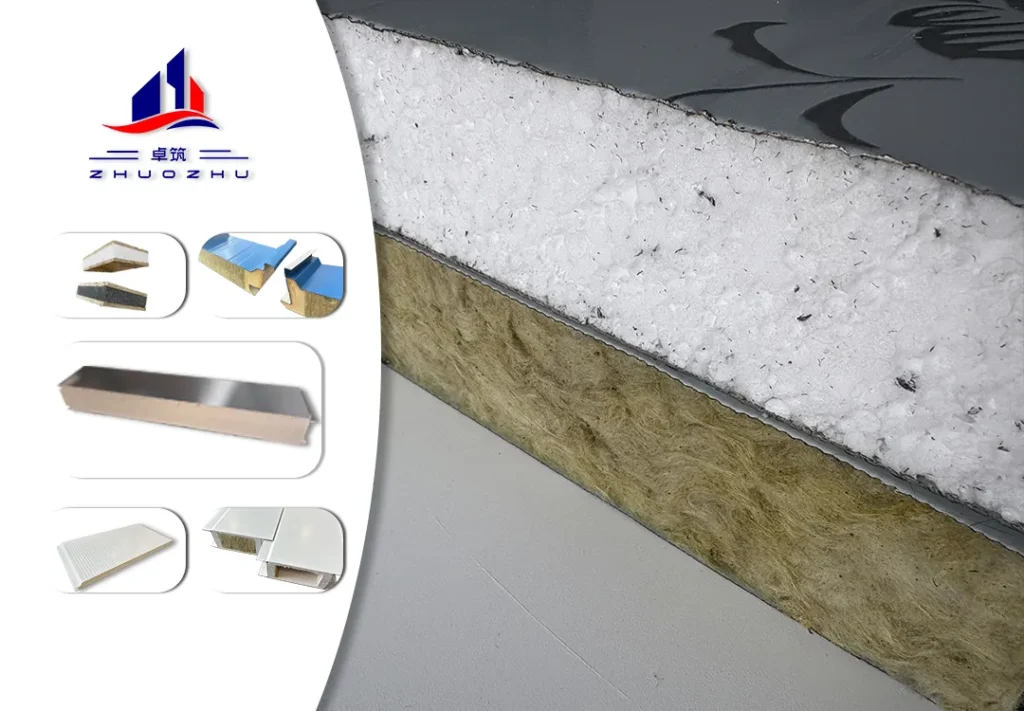
3. EPS Insulation Cores
Moisture Resistance Characteristics:
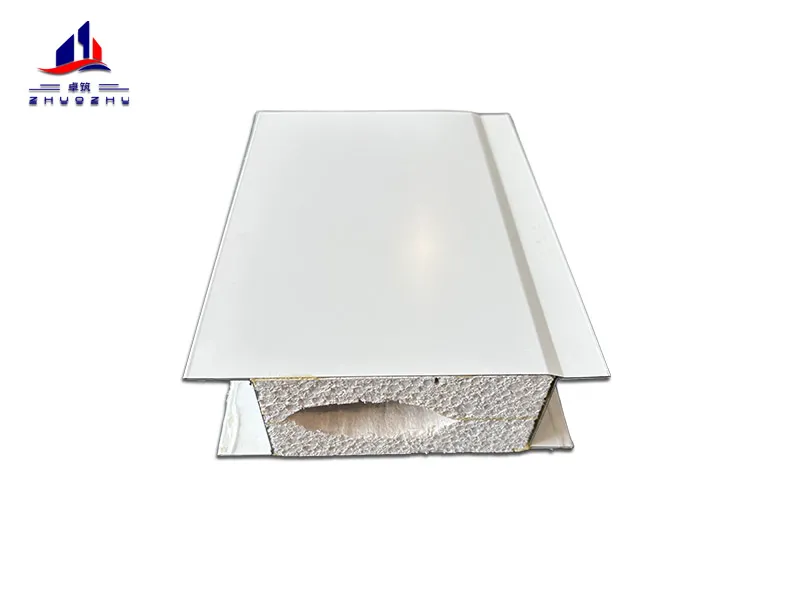
- Bead Structure: Interconnected air spaces between beads
- Water Absorption: 2-4% by volume after 24-hour immersion
- Vapor Permeability: 2-5 perms (semi-permeable)
- Moisture Retention: Can trap moisture between beads
Advantages:
- Good resistance to moisture in short-term exposure
- Maintains structural integrity when damp
- Cost-effective for moderate humidity environments
Limitations:
- Gradual moisture accumulation over time
- Reduced R-value with moisture content increase
- Potential for mold growth in saturated conditions
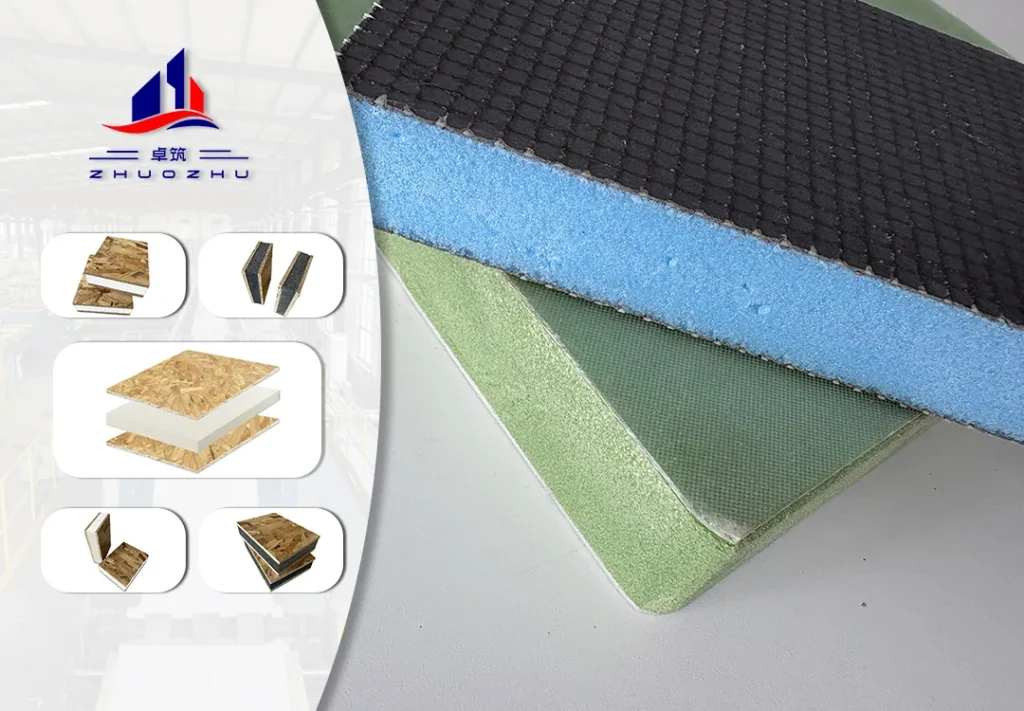
4. XPS Insulation Cores
Moisture Resistance Characteristics:
- Extruded Structure: Homogeneous closed-cell formation
- Water Absorption: <0.3% by volume after 24-hour immersion
- Vapor Permeability: 0.7-1.5 perms (vapor semi-impermeable)
- Capillary Resistance: Prevents water movement through capillaries
Advantages:
- Superior moisture resistance among foam plastics
- Maintains 90% of R-value when wet
- Excellent for below-grade and foundation applications
- High compressive strength in wet conditions
Limitations:
- Higher cost compared to other core materials
- Potential for dimensional changes in extreme moisture
- Requires protection from UV exposure
Surface Material Moisture Resistance
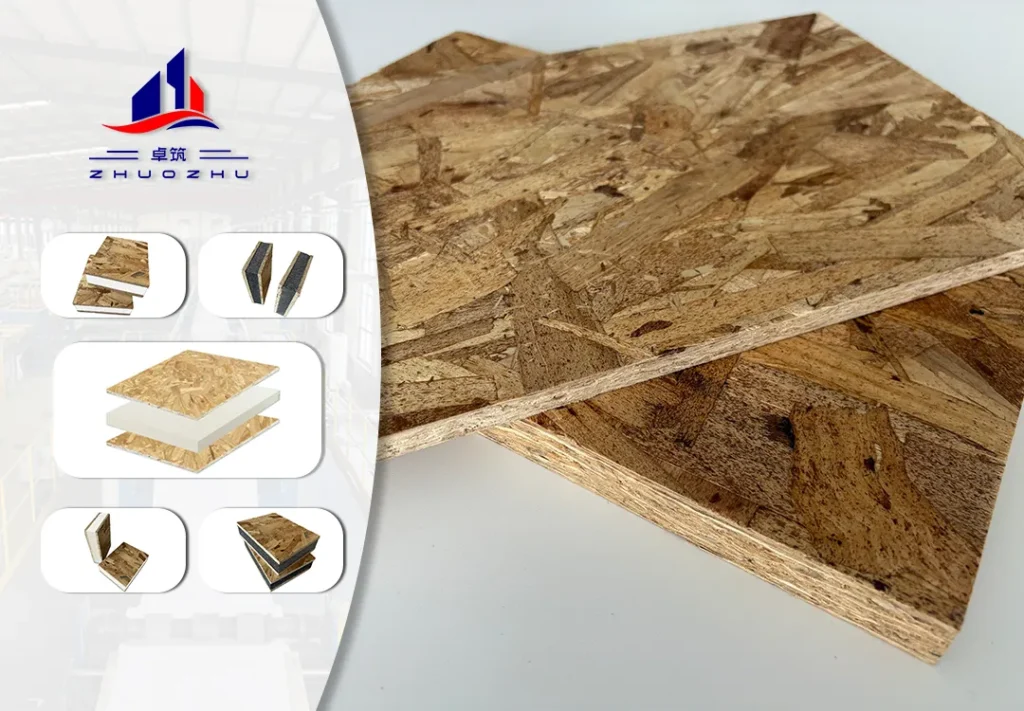
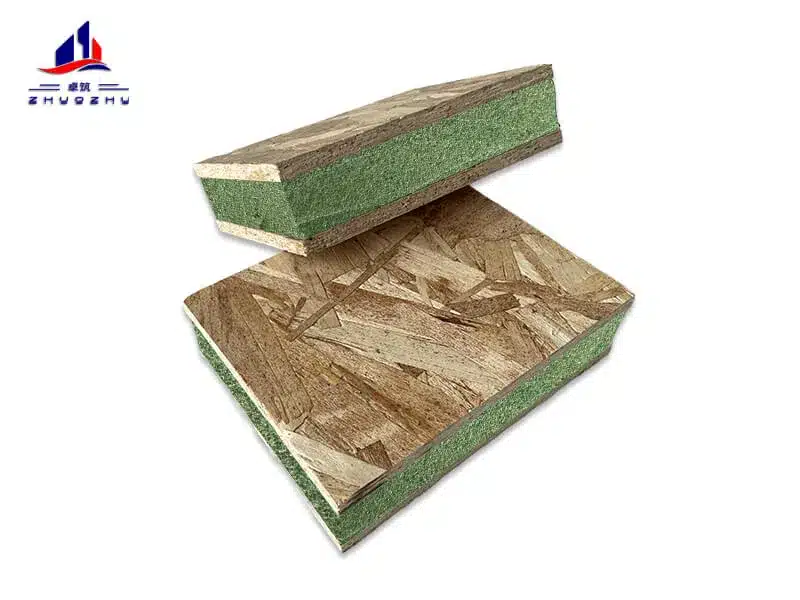
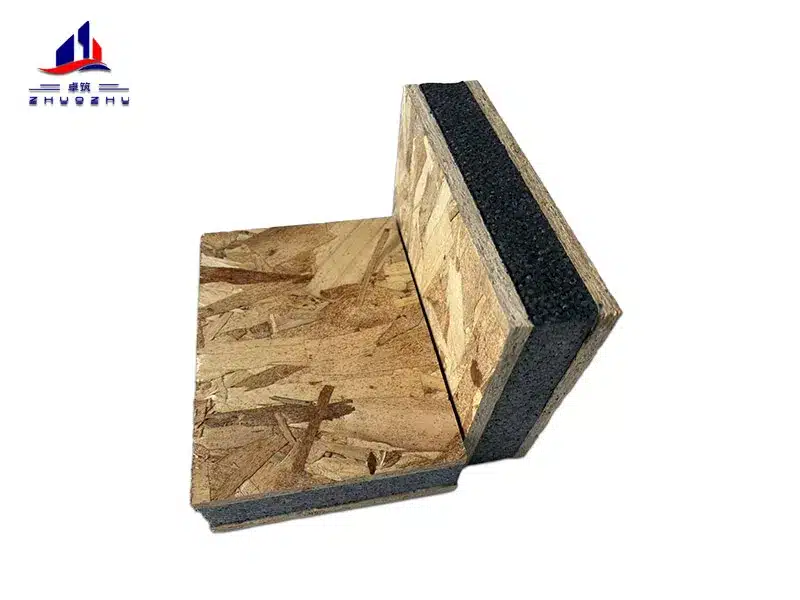
1. OSB Surfaces in SIPs Panels
Moisture Performance:
- Water Absorption: 15-20% thickness swelling after 24-hour immersion
- Vapor Permeability: 2-5 perms depending on thickness and coating
- Drying Capacity: Moderate drying potential
- Edge Sealing: Critical for moisture protection
Protection Strategies:
- Factory-applied Primers: Reduce moisture absorption
- Edge Sealing: Butyl tape or liquid-applied sealants
- Protective Coatings: Vapor-permeable water-resistant barriers
- Proper Detailing: Flashing and drainage provisions
Performance Considerations:
- Requires immediate protection from weather exposure
- Vulnerable to edge water intrusion
- Needs proper vapor barrier design based on climate zone
- Regular inspection for moisture damage

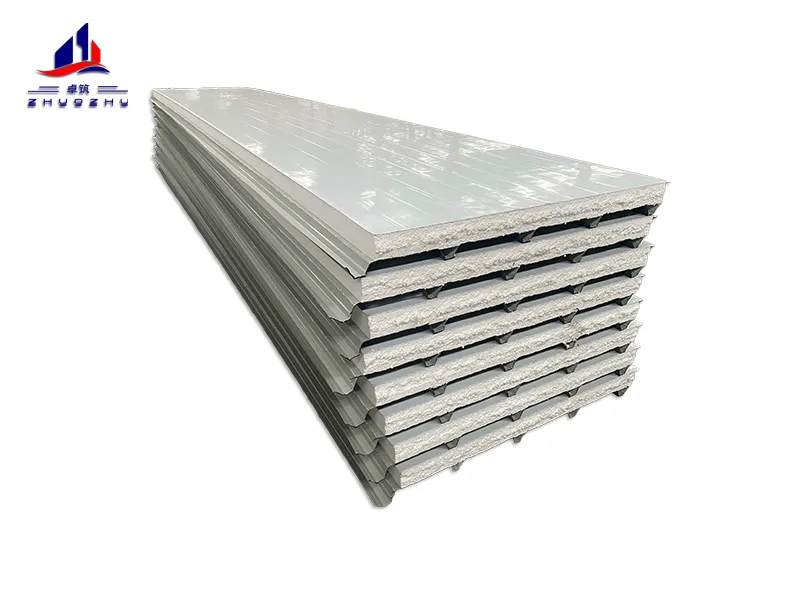
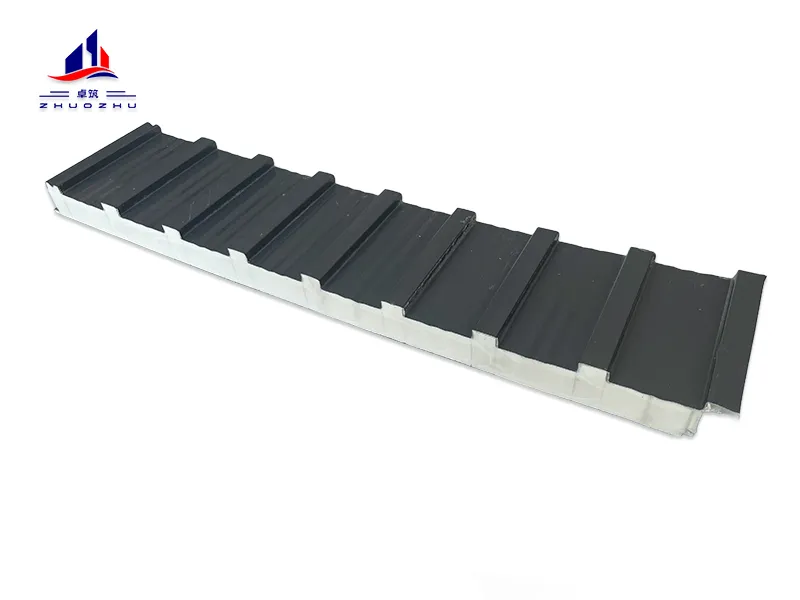
2. Metal Surface Materials
Surface Materials for Insulated Panels: Performance Analysis in Humid Environments >>
Galvanized Steel:
- Corrosion Resistance: Zinc coating provides cathodic protection
- Humidity Performance: Suitable for interior applications
- Coating Thickness: G60-G90 coatings for enhanced protection
- Limitations: White rust formation in continuous moisture exposure
Galvalume (Aluminum-Zinc Coated):
- Corrosion Resistance: 2-4 times better than galvanized steel
- Cut Edge Protection: Galvanic protection at exposed edges
- Humidity Performance: Excellent for exterior applications
- Coating Durability: 20-30 year service life in normal conditions
PVDF Coated Steel:
- Chemical Resistance: Excellent resistance to moisture and chemicals
- UV Stability: Maintains color and finish in wet conditions
- Water Beading: Promotes water runoff and self-cleaning
- Application: Ideal for coastal and high-humidity regions
HDPE Coated Steel:
- Moisture Barrier: Excellent water vapor resistance
- Flexibility: Withstands thermal movement without cracking
- Chemical Resistance: Suitable for industrial environments
- Durability: Resists chalking and fading
Stone Chip Coated Steel:
- Impact Resistance: Protects against mechanical damage
- Moisture Protection: Multi-layer coating system
- Aesthetic Durability: Maintains appearance in wet conditions
- Application: Decorative wall panels in all climates
3. Specialized Surface Treatments
Vapor Barrier Facings:
- Aluminum Foil: 0.02 perms vapor permeability
- Reinforced Polyethylene: 0.08 perms with tear resistance
- Kraft Paper: Variable permeability with coating
- Performance: Prevents interior moisture reaching the core
Drainage Plane Systems:
- Integrated Drainage: Channels for water management
- Air Gap Technology: Promotes drying and ventilation
- Moisture Escape: Allows trapped moisture to escape
- Application: Rainscreen systems for wall panels

Climate-Specific Recommendations
High Humidity/Tropical Climates:
- Core Material: PUR/PIR or XPS for moisture resistance
- Surface Material: PVDF or HDPE coated Galvalume
- Vapor Control: Exterior vapor permeability with interior barriers
- Design: Enhanced ventilation and drainage

Mixed Humid Climates:
- Core Material: XPS or closed-cell spray foam
- Surface Material: Properly coated Galvalume with sealed edges
- Vapor Control: Balanced vapor retarder approach
- Design: Rain screen principles with drying potential
Cold Climates:
- Core Material: PUR/PIR with vapor barrier facing
- Surface Material: Durable coatings with ice dam resistance
- Vapor Control: Interior vapor barriers
- Design: Air barrier continuity and thermal breaks
Coastal/Marine Environments:
- Core Material: PUR/PIR with enhanced corrosion protection
- Surface Material: High-performance coatings (PVDF)
- Vapor Control: Salt spray resistance
- Design: Enhanced corrosion protection at connections
Testing and Performance Standards
Moisture Resistance Testing:
- ASTM C272: Water absorption of core materials
- ASTM E96: Water vapor transmission
- ASTM D3273: Resistance to mold growth
- ASTM B117: Salt spray corrosion testing
Quality Assurance:
- Factory Controls: Moisture content monitoring during production
- Storage Protocols: Protection from weather during storage
- Installation Guidelines: Weather protection during construction
- Warranty Considerations: Moisture-related performance guarantees
Maintenance and Long-term Performance
Preventive Measures:
- Regular inspection of seals and coatings
- Prompt repair of surface damage
- Cleaning to prevent moisture retention
- Monitoring of interior humidity levels
Performance Monitoring:
- Moisture meter testing of panels
- Infrared thermography for moisture detection
- Visual inspection for corrosion or deterioration
- Documentation of maintenance activities

Integrated Moisture Management Strategy
The moisture performance of insulated panels depends on the synergistic relationship between core materials and surface treatments. PUR/PIR cores demonstrate superior moisture resistance, while proper surface material selection ensures long-term durability. Understanding these relationships enables designers to create building envelopes that effectively manage moisture through all stages of the building lifecycle, from construction through decades of service.
