
In the food industry, cleanrooms are critical for ensuring product safety, extending shelf life, and maintaining consistent quality. A compliant food cleanroom requires not only precise temperature and humidity control with stringent air cleanliness but also relies heavily on the selection and design of its core building material—cleanroom panels. These panels directly determine the cleanroom’s durability, cleaning efficiency, and operational costs. This article provides an in-depth analysis of the key requirements and application standards for cleanroom panels in food facilities.

1. Why Do Food Cleanrooms Require Specialized Panels?
Standard building panels cannot meet the hygiene demands of food production. The primary function of specialized food cleanroom panels is to create a robust, seamless, easy-to-clean, and corrosion-resistant barrier. This prevents microbial growth, dust accumulation, and chemical contamination, ensuring the sustained stability of the production environment’s cleanliness.
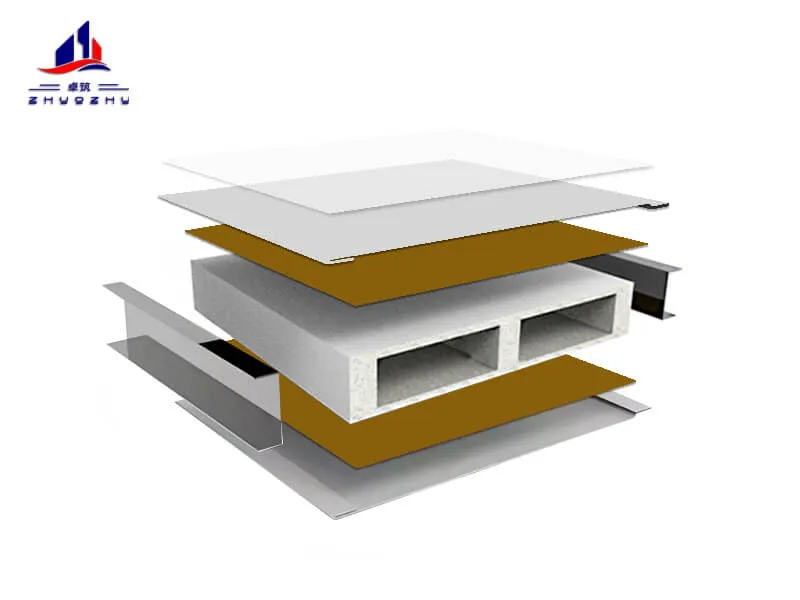
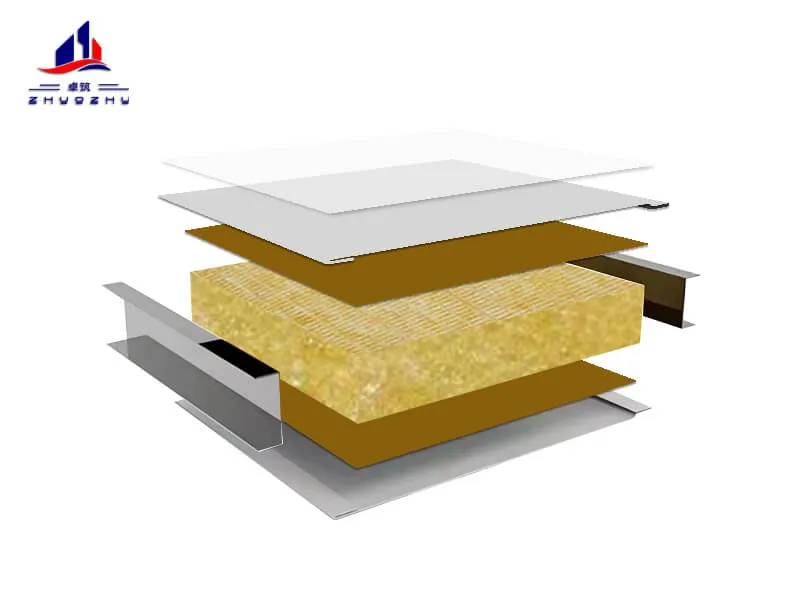
2. Core Performance Requirements for Cleanroom Panels
- Cleanliness and Aseptic Properties
- Smooth, Dense Surface: Panels must have a flat, smooth, non-porous, and crack-free surface that resists dust and bacterial adhesion, capable of withstanding high-frequency cleaning and disinfection.
- Antimicrobial and Mold-Resistant: The material itself should possess inherent antimicrobial and anti-mold properties or be coated with an antimicrobial layer to effectively inhibit microbial growth, complying with food safety and hygiene standards.
- Durability and Stability
- Chemical Corrosion Resistance: Must withstand erosion from cleaning agents, disinfectants (e.g., alcohol, chlorine-based solutions), and acids/alkalis potentially generated by food products, ensuring no chalking or discoloration over time.
- High Physical Strength: Possess excellent impact and scratch resistance to prevent damage during equipment handling and daily operations, maintaining surface integrity.
- Environmental Compliance and Safety
- Non-Toxic Material: Panels must be made from non-toxic, odorless, environmentally friendly materials that do not release harmful substances, preventing secondary contamination of food.
- Regulatory Compliance: Materials must meet GB 50073 “Design Code for Cleanrooms” and relevant food industry hygiene standards (e.g., GB 14881 “General Hygiene Regulation for Food Production”).


3. Specific Application Design of Cleanroom Panels in Food Facilities
1. Wall and Ceiling Systems
- Wall Design: Large-format panels should be used to minimize joints. During installation, cove base rounding (R≥50mm) is essential at the wall-floor junction to create a seamless transition and eliminate cleaning dead angles. Wall panels should extend fully to the ceiling to form an enclosed space.
- Ceiling Design: Ceilings must be sealed and smooth, resistant to condensation. In high-temperature, high-humidity areas (e.g., cooking, washing zones), materials with superior moisture resistance are required, and ceilings should be sloped to prevent condensate drip onto products.
2. Doors, Windows, and Pass-Throughs
- Doors and windows should utilize high-seal materials (e.g., stainless steel-clad cleanroom doors), with silicone sealing at panel junctions. Window sills should be at least 1 meter high, sloped inward at a 45-degree angle to prevent dust accumulation and facilitate cleaning.
3. Core Area Applications
- High-Cleanliness Areas (e.g., inner packaging, cooling rooms): Require the highest standard of cleanroom panels. All joints must be thoroughly sealed with food-grade sealant to ensure absolute air tightness and dust-free conditions.
- High-Humidity Areas (e.g., wash-down, cooking rooms): Panels must offer excellent waterproof and moisture-resistant properties. Core materials like magnesium oxide boards or metal composite panels are ideal choices.
- Changing and Airlock Rooms: Walls and ceilings should also use easy-to-clean, low-particulate panels, typically equipped with UV lights or ozone generators for space disinfection.
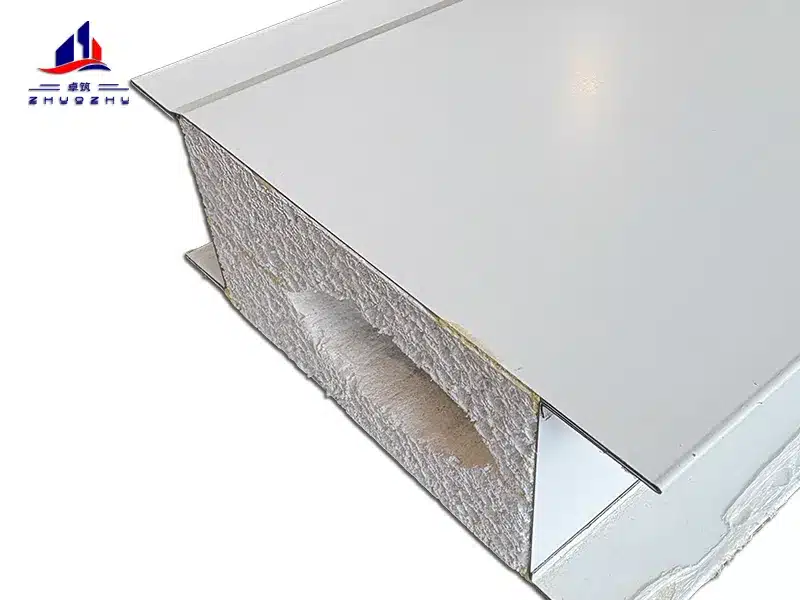
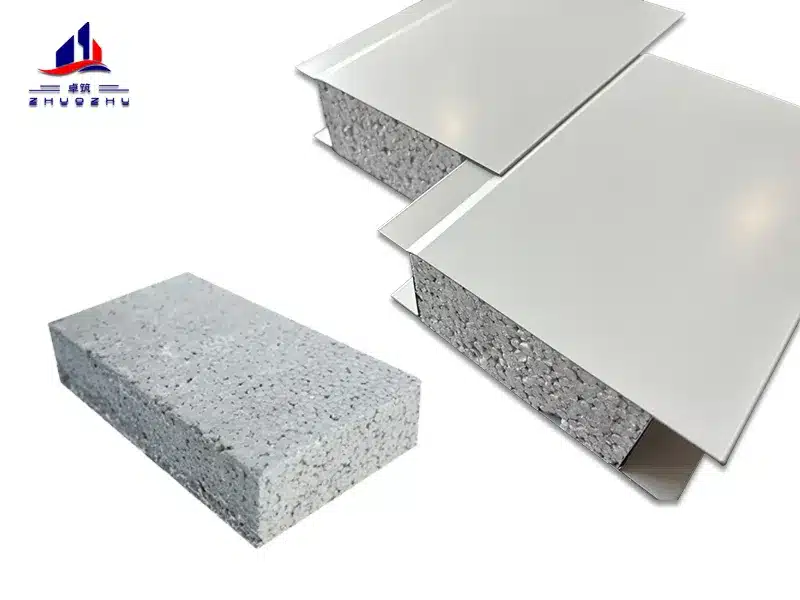
4. Comparison of Mainstream Cleanroom Panel Types
| Panel Type | Core Advantages | Ideal Application Scenarios |
|---|---|---|
| Sandwich Panels (Rock Wool/Paper Honeycomb Core) | Cost-effective, quick installation, good strength | Dry clean areas with high fire resistance requirements, e.g., packaging areas, storage |
| Magnesium Oxide (MgO) Board | Excellent fire resistance, moisture resistance, high strength, eco-friendly | High humidity, high fire-risk areas, e.g., cooking rooms, change rooms |
| Stainless Steel Panel | Superior corrosion resistance, easy cleaning, durable, aesthetically pleasing | High-standard inner packaging, cooling rooms, ready-to-eat product processing areas |
| Aluminum Composite Panel (ACP) | Lightweight, aesthetic, moderate cost | Airlocks, office area ceilings where lower cleanliness levels are acceptable |
Summary and Recommendations:
Selecting cleanroom panels for food facilities is a systematic decision-making process that must comprehensively consider specific product characteristics, the required cleanliness grade of the process, the facility’s temperature/humidity environment, and budget.
We recommend:
- For core processing areas (e.g., inner packaging, cooling rooms), prioritize magnesium oxide boards or stainless steel panels to ensure the highest hygiene standards and long-term durability.
- For dry areas like packaging and storage, fire-rated sandwich panels can be selected to balance cost and performance.
- Regardless of the panel type chosen, professional installation and sealing are crucial for optimal performance. Ensure experienced teams handle the installation, guaranteeing perfect treatment of all joints, coving, and penetrations.
Building a compliant food cleanroom starts with the meticulous selection and design of every panel. Investing in high-quality cleanroom panels is an investment in the future of food safety.
