
Introduction: Redefining Wall System Performance
In the modern construction landscape, foam insulated wall panels have emerged as a transformative technology, moving beyond the limitations of traditional stick-built assemblies. These panels, at their core, are a type of sandwich panel where a rigid foam core—typically PUR, PIR, EPS, or XPS—is permanently bonded between two structural facings. This creates a composite structural insulated panel that integrates structure, insulation, air barrier, and sometimes the interior finish into a single, factory-engineered unit. For projects demanding superior energy efficiency, rapid construction, and predictable performance, these insulated wall panels offer a compelling alternative to conventional methods.

Core Technologies: The Heart of the Panel
The performance of a foam insulated wall panel is fundamentally determined by its core material. Each type offers a distinct balance of properties to suit different project needs.
- PUR/PIR Foam Cores (The Performance Leaders): Often referred to as PUF panels or polyurethane sandwich panels, these cores set the benchmark for thermal efficiency. With an exceptionally low thermal conductivity (as low as 0.022 W/m·K), they provide the highest R-value per inch. PIR panels offer enhanced fire resistance compared to standard PUR. These polyurethane foam sandwich panels are the preferred choice for cold room wall panels, clean room panels, and any application where maximizing energy savings in a limited wall thickness is critical.
- EPS Foam Cores (The Cost-Effective Workhorse): EPS sandwich panels or expanded polystyrene sandwich panels utilize expanded polystyrene beads. They provide reliable insulation at a lower cost and are significantly lighter. EPS wall panels are commonly used in industrial buildings, warehouses, and as part of structural insulated panels (SIPs) for residential construction.
- XPS Foam Cores (The Moisture-Resistant Specialist): XPS sandwich panels feature extruded polystyrene, known for its high compressive strength and excellent resistance to moisture absorption. This makes them ideal for foundations, below-grade applications, or areas with high humidity where long-term R-value retention is essential.

Facing Materials: Defining Function and Form
The outer layers of a foam core panel are just as crucial as the core, defining its structural role, durability, and aesthetics.
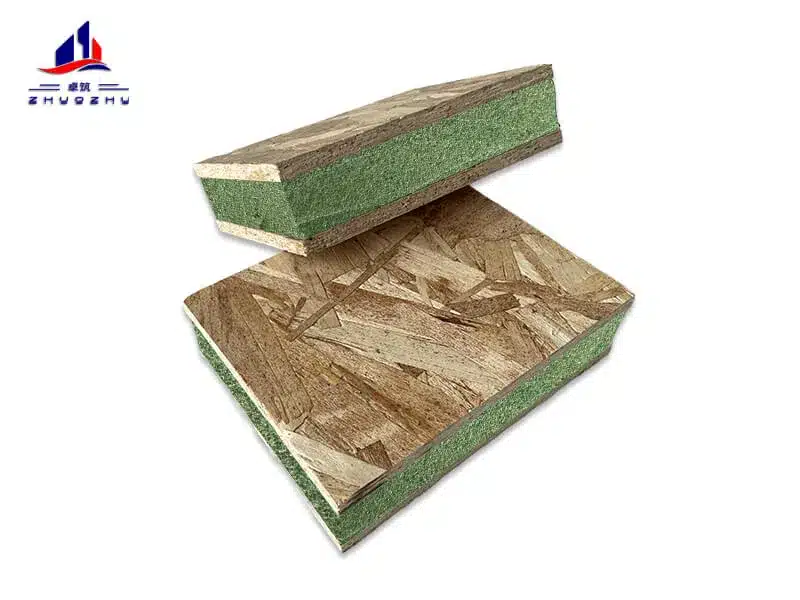
- For Structural Integrity (SIPs): When used as structural insulated panels, the facings are typically OSB (Oriented Strand Board), creating OSB SIPs or insulated OSB panels. This combination yields structural foam core panels capable of bearing significant loads, enabling their use in walls, roofs, and floors for SIP construction.
- For Durability and Cladding: In non-structural sandwich panel cladding applications, metal facings are king. These metal sandwich panels can utilize galvanized steel, Galvalume, or aluminium sandwich panel sheets. They can be finished with durable coatings (PVDF, HDPE) or textured finishes like stone chip coating for decorative insulated wall siding. This creates a complete, low-maintenance exterior system.
- For Specialized Environments: FRP sandwich panels (Fiberglass Reinforced Plastic) or GRP sandwich panels offer superior corrosion resistance and hygienic, easy-to-clean surfaces, making them perfect for clean room wall panels, food processing plants, and chemical environments.
Key Advantages Over Conventional Construction
- Unmatched Thermal Efficiency & Airtightness: The continuous foam core eliminates thermal bridging (the weak spots created by wooden studs in standard walls). When combined with tightly sealed joints, this creates a building envelope with exceptional thermal performance and minimal air infiltration, leading to dramatically lower energy bills and enhanced comfort.
- Remarkable Construction Speed: Foam insulated wall panels are prefabricated to precise dimensions. This sandwich panel construction method can enclose a building shell in days rather than weeks, reducing labor costs, on-site waste, and exposure to weather delays. This is a key benefit of building with insulated panels.
- Superior Strength and Durability: As a composite sandwich panel, the bond between the facings and core creates a component that is stronger than the sum of its parts. Structural foam panels provide excellent racking resistance, and metal-faced panels offer long-term, low-maintenance durability against the elements.
- Design Versatility: From the sleek look of a metal sandwich panel facade to the architectural flexibility of OSB SIPs that can be clad with almost any exterior material (brick, stucco, wood), these panels adapt to a wide range of aesthetic visions.
Primary Applications Across Sectors
- Commercial & Industrial: Sandwich panel warehouses, factories, and retail spaces benefit from the speed of erection and excellent insulation of insulated metal sandwich panels.
- Cold Chain & Controlled Environments: This is the domain of specialized cold room panels and coolroom panels, where PUF panels with hygienic metal facings create airtight, efficient freezers and refrigerated spaces.
- High-Performance Residential: Structural Insulated Panels (SIPs) are used to build ultra-efficient homes, SIP panel extensions, and tiny homes. Systems like SIP wall construction provide a sturdy, well-insulated shell for sips self-build projects.
- Clean & Specialized Rooms: Modular clean room panels with FRP or coated metal facings allow for the quick creation of contamination-controlled environments for pharmaceuticals, electronics, and healthcare.
Conclusion: A Smart Investment for the Future of Building
Whether you refer to them as foam sandwich panels, composite foam panels, or insulated sandwich wall panels, the principle remains the same: an integrated solution that outperforms compartmentalized traditional building. By choosing the right combination of foam core and facing material—be it for a cold storage panel, a structural insulated wall panel for a home, or a cladding system for an office—builders and developers gain control over cost, schedule, and long-term performance. In an era focused on energy conservation and construction efficiency, foam insulated wall panels are not just an alternative; they are a strategically superior choice for creating better buildings faster.
